Best Reptile Pets for Kids: 7 Kid-Friendly Picks
Looking for the best reptile pets for kids? These 7 calm, easy-care species are safe, fun, and perfect for young reptile lovers. Find your family's match.


This article contains affiliate links. If you make a purchase through these links, we may earn a small commission at no extra cost to you. See our affiliate disclosure for details.
We recommend 5 picks here. Our top choice is the Leopard Gecko Starter Kit (20-Gallon Enclosure Bundle) — check price and availability below.
How we choose: we compare published specifications against the care requirements in veterinary and species-care literature, and weigh those against what long-time keepers report. We do not test products ourselves and we do not restate Amazon star ratings. The 6 sources behind this article are listed at the bottom.
Quick Comparison
- Category
- Enclosure
- Primary Species Focus
- Leopard Gecko
- Ease of Use for Kids
- Easy (Bundle)
- Essential for Health
- Yes (Habitat)
- Approximate Price Range
- $150-250
- Category
- Monitoring
- Primary Species Focus
- All Reptiles
- Ease of Use for Kids
- Very Easy (Monitor)
- Essential for Health
- Yes (Environment)
- Approximate Price Range
- $15-30
- Category
- Lighting
- Primary Species Focus
- Bearded Dragon
- Ease of Use for Kids
- Moderate (Requires fixture)
- Essential for Health
- Yes (UVB)
- Approximate Price Range
- $30-50
- Category
- Feeding (Diet)
- Primary Species Focus
- Crested Gecko
- Ease of Use for Kids
- Easy (Mix & Serve)
- Essential for Health
- Yes (Nutrition)
- Approximate Price Range
- $10-25
- Category
- Feeding (Tool)
- Primary Species Focus
- Insectivorous Reptiles
- Ease of Use for Kids
- Very Easy (Safety Tool)
- Essential for Health
- No (Safety/Hygiene)
- Approximate Price Range
- $8-15
Prices are estimates only. Actual prices on Amazon may vary.
So your kid has been begging for a reptile. Maybe they spotted one at a friend's house, or fell in love at the local pet store. Now you're asking the real question: are reptiles actually good pets for children?
The short answer: yes — if you pick the right one. Some reptiles are naturally calm, rarely bite, and are genuinely fun to watch and hold. Others need expert-level care that's not realistic for most families. The key is knowing the difference.
This guide covers the best reptile pets for kids, with honest notes on temperament, care requirements, and what you'll need to get started. We've also called out a few popular species to avoid — because not every reptile in the pet store belongs in a kid's room.
What Makes a Reptile a Good Pet for Kids?
Not all reptiles are created equal when it comes to family life. Here's what separates a great kid's reptile from a frustrating one:
Calm temperament. A reptile that tolerates handling without biting or thrashing is non-negotiable. Kids move quickly, make noise, and can accidentally startle animals. A laid-back reptile handles that much better than a nervous one.
Manageable size. Large reptiles like iguanas or monitor lizards can seriously injure a child — sometimes without meaning to. Stick to smaller species that a child can safely hold in both hands.
Reasonable care. Complex humidity systems, precise live-insect feeding schedules, and expensive lighting setups can be overwhelming. The best starter reptiles have forgiving, routine-friendly care.
Longevity. Reptiles live a long time. A leopard gecko can live 15–20 years. That's not a "starter pet" — it's a real commitment. Make sure your family is ready for that conversation before buying.
Hygiene awareness. All reptiles can carry Salmonella as normal gut bacteria. This doesn't make them dangerous pets, but it does mean good handwashing habits are essential. We'll cover this in more detail below.
What Makes a Good Pet Reptile for Kids
What you need to know
Calm temperament — reptiles that tolerate handling without biting are essential for safe interaction
Manageable size — smaller species that kids can safely hold prevent accidental injury
Reasonable care — straightforward feeding and habitat routines fit family schedules
Longevity consideration — many reptiles live 15–20+ years, requiring real commitment
Salmonella awareness — good handwashing habits needed, but doesn't make them dangerous pets
7 Best Reptile Pets for Kids
Quick recommendations
Small, docile, and perfect for hands-on interaction with younger kids
Friendly and personable with dog-like behavior and daytime activity
Easiest care with no live insects, room temperature tolerance, and low handling needs
Calm, sturdy, and forgiving of handling mistakes with 15–20 year lifespan
Docile temperament with thousands of color morphs, requires parental involvement
No live insects required, completely herbivorous with big personalities
Detailed Reviews
1. Leopard Gecko Starter Kit (20-Gallon Enclosure Bundle)
Best Overall
Leopard Gecko Starter Kit (20-Gallon Enclosure Bundle)
Pros
- •Includes main enclosure, heating, and essential decor elements.
- •Simplifies initial setup for new reptile keepers.
- •Provides a ready-to-use habitat for leopard geckos.
- •20-gallon size is suitable for adult leopard geckos.
Cons
- •Bundle components may vary in quality or longevity.
- •Larger upfront cost compared to purchasing items separately.
- •20-gallon size may be less versatile for other small reptiles.
Bottom Line
This comprehensive starter kit streamlines the entry into reptile keeping, providing all immediate necessities for a leopard gecko. It minimizes the initial research and purchasing burden for families new to pet reptiles.
2. Digital Reptile Thermometer and Hygrometer Combo
Best Value
Digital Reptile Thermometer and Hygrometer Combo
Pros
- •Provides accurate, simultaneous readings of temperature and humidity.
- •Essential for maintaining species-specific environmental parameters.
- •Easy-to-read digital display for quick daily checks.
- •Empowers children to actively monitor their pet's habitat.
Cons
- •Requires periodic battery replacement for continuous function.
- •Measures conditions at a single point, requiring careful placement.
- •Some models may have limited range or probe length.
Bottom Line
An indispensable tool for any reptile enclosure, offering precise environmental data crucial for pet health. Its simplicity allows children to engage in essential daily care routines effectively.
3. Bearded Dragon T5 HO UVB Bulb
Premium Pick
Bearded Dragon T5 HO UVB Bulb
Pros
- •Delivers high-output UVB radiation essential for Bearded Dragons.
- •Facilitates Vitamin D3 synthesis and proper calcium absorption.
- •Crucial for preventing Metabolic Bone Disease in appropriate species.
- •Long-lasting and effective compared to lower-output alternatives.
Cons
- •Requires a compatible T5 HO fixture, increasing initial cost.
- •Specific to species with high UVB requirements, not universal.
- •Must be replaced every 6-12 months, incurring recurring expense.
Bottom Line
This specialized T5 HO UVB bulb is a critical component for the long-term health of Bearded Dragons, ensuring they receive the necessary UV spectrum. It is non-negotiable for their metabolic well-being and bone density.
4. Crested Gecko Diet (CGD) Powder
Editor's Choice
Crested Gecko Diet (CGD) Powder
Pros
- •Nutritionally complete when prepared, simplifying dietary planning.
- •Eliminates the need for live insect feeding, making care easier.
- •Easy to mix with water for a palatable, consistent meal.
- •Allows children to prepare and offer food independently.
Cons
- •Specific formulation for crested geckos, not suitable for all species.
- •Requires daily preparation and removal of uneaten portions.
- •Open packages have a limited shelf life, requiring proper storage.
Bottom Line
A convenient and nutritionally balanced staple diet designed specifically for crested geckos, simplifying feeding routines. Its ease of preparation makes it an ideal option for young reptile caretakers.
5. Reptile Feeding Tongs (Stainless Steel)
Budget Pick
Reptile Feeding Tongs (Stainless Steel)
Pros
- •Ensures child safety by keeping fingers away from feeding reptiles.
- •Durable, easy-to-clean stainless steel construction.
- •Promotes confident handling and feeding techniques.
- •Versatile for offering various insects or small food items.
Cons
- •Less critical for species that consume powdered diets or self-feed.
- •Length may vary, with shorter tongs offering less reach.
- •Can be sharp if not handled carefully by young children.
Bottom Line
These stainless steel feeding tongs provide a crucial safety barrier between small hands and hungry reptiles during meal times. They are invaluable for teaching safe and hygienic feeding practices, especially with insectivorous pets.
The 7 Best Reptile Pets for Kids
1. Leopard Gecko
If there's one reptile that appears on every beginner list, it's the leopard gecko. They're small, slow-moving, and have a famously docile temperament. Unlike most geckos, they don't climb walls or glass — which makes handling a lot easier for younger kids.
Leopard geckos eat [crickets and mealworms](https://www.amazon.com/dp/B0B1L66YR6?tag=krawlo-20 which kids usually find fascinating. They're nocturnal, so they're most active in the evenings when school is out — perfect timing for daily interaction.
Setup is straightforward: a 20-gallon tank, an [under-tank heat mat](https://www.amazon.com/dp/B08C98KNWR?tag=krawlo-20 a digital thermometer, and a couple of hides. No UVB lighting is strictly required, though low-level UVB can benefit their long-term health.
For a deeper look at how leopard geckos compare to other species, check out our full breakdown in Best Pet Lizards for Beginners: 11 Species Ranked.
Best for: Kids aged 6 and up who want regular hands-on interaction.
2. Bearded Dragon
Bearded dragons are the golden retrievers of the reptile world. They're friendly, curious, and seem to genuinely enjoy being around people. Many owners swear their beardie watches TV with them on the couch — and they're not exaggerating.
They're larger than leopard geckos, reaching 18–24 inches as adults. That actually makes them easier for kids to hold — less fear of squishing a tiny animal. Bearded dragons are also active during the day, so kids interact with them naturally after school.
Care is a step up from leopard geckos. Bearded dragons need a proper [UVB bulb](https://www.amazon.com/dp/B0DPJNMG6L?tag=krawlo-20 a basking spot of 100–110°F, and a varied diet of leafy greens and insects. The setup requires more effort, but the payoff is an incredibly personable animal.
Best for: Families who want a sociable, dog-like reptile. Great for kids 7 and up.
3. Crested Gecko
Crested geckos might be the easiest reptile to care for on this entire list. They eat a premade powdered diet — just mix with water — and don't need live insects at all. They thrive at room temperature (65–80°F) in most homes, so you often don't need any heating equipment.
They're also visually stunning: big eyes, fringed crests, and sticky toe pads that let them cling to glass and branches. Kids love watching them explore a planted terrarium.
One honest note: crested geckos are more delicate than leopard geckos and prefer lighter handling. They're better as "watch-and-occasionally-hold" pets rather than daily cuddlers. Drop one and it can drop its tail — it won't grow back.
(Estimates only — actual prices on Amazon may vary.) Starter setups typically run $100–$200, and the geckos themselves are often $50–$80 from a reputable breeder.
For lighting guidance, our Best UVB Light for Crested Gecko: Ultimate Care Guide explains why low-level UVB can benefit crested geckos even though it's not strictly required.
Best for: Kids who enjoy observing more than constant handling. Great for apartments.
4. Blue-Tongued Skink
Blue-tongued skinks are an underrated pick for kids. They move at a relaxed, waddling pace, have a famously calm temperament, and are sturdier than most lizards. When startled, they stick out their bright blue tongue — which is more hilarious than scary.
They eat a varied omnivore diet: leafy greens, fruits, vegetables, and the occasional insect or lean protein. Feeding time becomes genuinely educational. Kids can help prepare the salad mix and track what the skink prefers.
Blue-tongued skinks tolerate accidental handling mistakes better than more sensitive species. They also live 15–20 years, making them a long-term companion.
Best for: Older kids (10+) who want a more substantial reptile with a real personality.
5. Corn Snake
Don't let the snake stigma stop you here. Corn snakes are among the gentlest reptiles in the hobby. They rarely bite, move at a manageable pace, and come in dozens of beautiful color morphs.
They eat frozen/thawed mice, which takes a small adjustment but is actually easier than dealing with live insects. One feeding every 5–7 days. That's it.
Adults reach 4–5 feet but stay slender and lightweight. They're active and curious snakes — kids tend to love watching them explore. The one firm requirement: a secure, well-latched enclosure. Corn snakes are escape artists.
Best for: Families open to snakes. Kids 8 and up with parental supervision.
6. Ball Python
Ball pythons are the most popular pet snake in the world, and it's well deserved. They're docile, sturdy, and come in thousands of color morphs ranging from subtle to electric. When nervous, they curl into a tight ball instead of biting — hence the name.
Females can reach 5 feet, but their calm disposition makes them manageable. Ball pythons are famous for occasionally refusing food, which can worry new owners. In most cases, the fix is simple: try a different prey size or adjust the enclosure temperature.
(Estimates only — actual prices on Amazon may vary.) A proper starter setup — enclosure, thermostat, hides, water dish — typically runs $150–$300.
Best for: Older kids (12+) and families where a parent stays involved in the daily care.
7. Uromastyx
Uromastyx are spiny, colorful lizards from the deserts of Africa and the Middle East. They're completely herbivorous — seeds, leafy greens, vegetables — which means no insects, ever. That's a significant advantage for families who aren't thrilled about keeping crickets.
They have big personalities and become quite tame with consistent handling. Their bright coloring (especially in males) makes them striking display animals. The main challenge is their heat requirement: a basking spot of 120°F+ means you need a quality [high-wattage basking lamp](https://www.amazon.com/dp/B0C1GWBY2D?tag=krawlo-20 and a reliable thermostat.
Best for: Families who want a unique, insect-free reptile. Kids 8 and up.
Quick Comparison: Kid-Friendly Reptiles at a Glance
| Species | Adult Size | Diet | Handling Tolerance | Best Age | Lifespan |
|---|---|---|---|---|---|
| Leopard Gecko | 8–10 in | Insects | Excellent | 6+ | 15–20 yrs |
| Bearded Dragon | 18–24 in | Omnivore | Excellent | 7+ | 10–15 yrs |
| Crested Gecko | 6–8 in | CGD powder | Moderate | 8+ | 15–20 yrs |
| Blue-Tongued Skink | 18–24 in | Omnivore | Very Good | 10+ | 15–20 yrs |
| Corn Snake | 4–5 ft | Frozen mice | Good | 8+ | 15–20 yrs |
| Ball Python | 4–5 ft | Frozen mice | Excellent | 12+ | 20–30 yrs |
| Uromastyx | 10–18 in | Vegetables | Good | 8+ | 15–20 yrs |
Reptiles to Avoid for Kids
Some reptiles are widely sold but genuinely unsuitable for children. Skip these:
Green iguanas. They grow over 6 feet, have sharp claws and a powerful tail whip, and can be territorial. Even tame iguanas have sent people to the emergency room.
Chameleons. They're stunning, but stress can kill them. Chameleons don't tolerate handling well and need very precise temperature and humidity management. Wrong for beginners of any age.
Wild-caught reptiles. Any reptile caught from the wild (rather than captive-bred) will be far more stressed and likely to bite. Always buy captive-bred from a reputable source.
Snapping turtles. For obvious reasons.
Setting Up for Success: Tips for Parents
Reptile ownership goes much better when parents stay involved — especially at first. Here's how to set your family up right:
Research before you buy. Each species has specific enclosure requirements. Don't grab a tank and figure it out later. Read care sheets, watch setup videos, and purchase supplies before bringing the animal home.
Choose the right enclosure. This is the biggest upfront cost and the most important factor in your reptile's health. See our guide to Best Reptile Enclosure for Beginners: Top Picks for size recommendations and what to prioritize.
Teach hygiene from day one. Reptiles can carry Salmonella as normal gut bacteria. Wash hands thoroughly after every handling session. Keep reptiles out of kitchens and food prep areas.
Supervise young children. Kids under 5 should not handle reptiles unsupervised. Even the calmest reptile can be dropped or startled.
Source from reputable breeders. Captive-bred animals from breeders or local reptile expos are healthier and calmer than most pet store stock. Check for local herp societies or reptile shows in your area.
Getting Kids Involved in the Care
One of the best parts about reptiles is how educational they are. You can scale the responsibility to your child's age:
- Ages 5–7: Help with feeding (supervised), watching the reptile, decorating the tank
- Ages 8–11: Measuring and logging temperatures, basic feeding independently, partial cleaning help
- Ages 12+: Full care routines, setting up the enclosure, researching diet and enrichment
This turns pet ownership into a genuine responsibility lesson. Kids who help care for reptiles tend to develop patience, attention to detail, and a real respect for animals.
The Salmonella Question — Addressed Honestly
Every honest article about reptiles for kids has to address this. Yes, reptiles can carry Salmonella. No, that doesn't make them dangerous pets when handled responsibly.
The CDC advises that reptiles aren't ideal for households with children under 5, pregnant women, or immunocompromised individuals. The concern isn't that reptiles are disease-ridden — it's that very young children are more likely to touch their faces before washing hands.
For healthy children 5 and older, the risk is minimal with proper hygiene. Wash hands after every handling session, don't kiss your reptile, and keep them away from food prep areas. That's really the whole protocol.
Our Final Verdict

Leopard Gecko Starter Kit (20-Gallon Enclosure Bundle)
This comprehensive starter kit streamlines the entry into reptile keeping, providing all immediate necessities for a leopard gecko. It minimizes the initial research and purchasing burden for families new to pet reptiles.
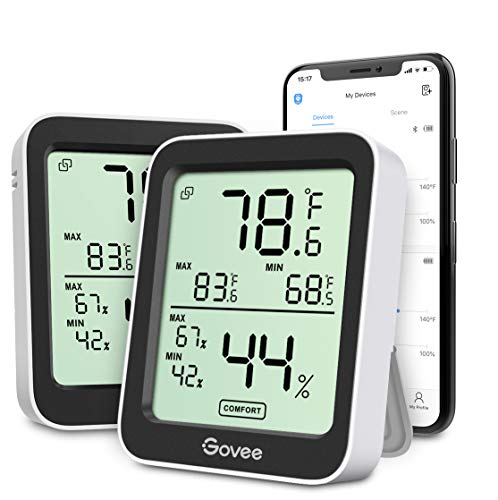
Digital Reptile Thermometer and Hygrometer Combo
An indispensable tool for any reptile enclosure, offering precise environmental data crucial for pet health. Its simplicity allows children to engage in essential daily care routines effectively.

Bearded Dragon T5 HO UVB Bulb
This specialized T5 HO UVB bulb is a critical component for the long-term health of Bearded Dragons, ensuring they receive the necessary UV spectrum. It is non-negotiable for their metabolic well-being and bone density.
Frequently Asked Questions
Leopard geckos and bearded dragons are the top two picks for kids. Leopard geckos are small, slow-moving, and very tolerant of handling — ideal for younger kids aged 6 and up. Bearded dragons are larger and more sociable, making them a great fit for kids 7 and up who want a reptile with a real personality.
References & Sources
- https://www.petmd.com/reptile/care/evr_rp_5-best-reptiles-and-amphibians-kids
- https://www.zenhabitats.com/blogs/reptile-care-sheets-resources/help-my-kid-wants-a-pet-reptile
- https://www.thesprucepets.com/reptiles-and-amphibians-4162044
- https://www.thesprucepets.com/types-of-reptile-pets-that-are-easy-for-kids-5199608
- https://www.thesprucepets.com/best-pet-reptiles-for-beginners-1237230
- https://www.petmd.com/dog/pet-lover/these-are-best-pets-kids-each-age
Related Articles

Best Lizard for Kids: Our Top 5 Easiest Pets for 2026
Looking for the best lizard for kids? Our guide reviews the top 5 kid-friendly reptiles, from the gentle Leopard Gecko to the personable Bearded Dragon.

10 Best Small Reptile Pets for Apartments (2026)
Compare ten of the best small reptile pets for apartments and compact enclosures by adult size, habitat needs, handling, lifespan, and beginner difficulty.

Best Pet Snakes for Kids: 4 Top Picks for 2026
Looking for the best pet snakes for kids? We rank 4 calm, hardy species perfect for young keepers — with care tips, setup advice, and age recommendations.