7 Best PVC Reptile Enclosures for Every Budget (2026)
Looking for the best PVC reptile enclosures? We break down top brands, sizes, and what to look for so your reptile gets the perfect home.


This article contains affiliate links. If you make a purchase through these links, we may earn a small commission at no extra cost to you. See our affiliate disclosure for details.
We recommend 5 picks here. Our top choice is the Zen Habitats 4×2×2 PVC Reptile Enclosure — check price and availability below.
How we choose: we compare published specifications against the care requirements in veterinary and species-care literature, and weigh those against what long-time keepers report. We do not test products ourselves and we do not restate Amazon star ratings. The 6 sources behind this article are listed at the bottom.
Quick Comparison
- Product Type
- Enclosure
- Primary Function
- Reptile Housing
- Connectivity/Control
- N/A
- Target User
- General Keepers
- Approx. Price Range
- $250-350
- Product Type
- Enclosure
- Primary Function
- Reptile Housing
- Connectivity/Control
- N/A
- Target User
- Professional/Serious Hobbyist
- Approx. Price Range
- $200-400
- Product Type
- Monitoring Device
- Primary Function
- Temp/Humidity Monitoring
- Connectivity/Control
- Bluetooth App
- Target User
- Environmental Monitoring
- Approx. Price Range
- $15-25
- Product Type
- Heating Controller
- Primary Function
- Temperature Regulation
- Connectivity/Control
- Digital Thermostat
- Target User
- Heating Safety & Control
- Approx. Price Range
- $100-150
- Product Type
- Disinfectant
- Primary Function
- Pathogen Disinfection
- Connectivity/Control
- Manual Application
- Target User
- Enclosure Sanitation
- Approx. Price Range
- $20-40
Prices are estimates only. Actual prices on Amazon may vary.
If you've been keeping reptiles for any length of time, you already know the enclosure makes or breaks the entire setup. Wood warps. Glass is heavy and cold. But PVC? PVC enclosures have become the gold standard for serious reptile keepers — and for very good reason.
They hold humidity like a champ. They're lightweight. They're easy to clean. And they look sharp in any room.
In this guide, I'll walk you through everything you need to know to choose the best PVC reptile enclosures for your snake, lizard, or tortoise. Whether you're a first-time keeper or you're upgrading a growing collection, there's a PVC enclosure out there that's perfect for your animal.
Why PVC Is the Best Enclosure Material
Not all enclosure materials are equal. Here's how PVC stacks up against the competition.
Wood is beautiful but it absorbs moisture. Over time, it warps, cracks, and becomes a bacterial breeding ground. It's also heavy and hard to disinfect properly.
Glass terrariums look great on a shelf. But they're terrible at retaining heat and humidity. They're fragile, extremely heavy, and moving a large glass enclosure is a two-person job at minimum.
PVC (polyvinyl chloride) is the sweet spot. It's moisture-resistant, lightweight, easy to clean, and a great thermal insulator. If you're keeping humidity-loving species like ball pythons, boa constrictors, or crested geckos, a PVC enclosure isn't just nice to have — it's practically essential.
| Feature | PVC | Glass | Wood |
|---|---|---|---|
| Humidity retention | Excellent | Poor | Good (when sealed) |
| Insulation | Excellent | Poor | Good |
| Weight | Light | Heavy | Medium |
| Cleanability | Excellent | Good | Fair |
| Durability | Excellent | Fragile | Fair |
| Stackability | Yes | No | Sometimes |
| Price | Medium–High | Low–Medium | Low–High |
PVC wins on almost every practical metric. The only area where glass has an edge is the initial cost for smaller enclosures.
PVC vs Glass Enclosures
Side-by-side comparison
| Feature | PVC | Glass |
|---|---|---|
| Humidity Retention | ★Excellent | Poor |
| Insulation | ★Excellent | Poor |
| Weight | ★Light | Heavy |
| Cleanability | ★Excellent | Good |
| Durability | ★Excellent | Fragile |
| Initial Cost | Medium–High | ★Low–Medium |
Our Take: PVC wins on nearly every practical metric—humidity retention, insulation, weight, and durability make it the superior choice for most reptile keepers.
5 Key Factors When Choosing a PVC Enclosure
What you need to know
Size for adult size—buy for your reptile's full-grown dimensions, not its current size
Cross-ventilation on multiple sides prevents mold and respiratory issues
Front-opening doors reduce stress and are easier to access than top-opening lids
Stackability saves floor space if building a collection
Sturdy hardware with magnetic latches or locking clips prevents escapes
Top 5 PVC Enclosures
Quick recommendations
Community favorite with high-quality PVC, front-opening magnetic doors, pre-drilled for heating
Furniture-quality white finish, easier to spot health issues, premium build ($300–$500)
Solid build, well-thought-out ventilation, multiple sizes, great entry-level PVC option
Best-selling on Amazon, smooth-sliding doors, accessible price point for most budgets
Thick PVC, solid hardware, built to last decades, professional breeder choice ($400–$700+)
Species Size Reference
Ball Python
4×2×2
Minimum 4 sq ft floor space
Corn Snake
4×2×2
Minimum 4 sq ft floor space
Bearded Dragon
4×2×2
Minimum 4 sq ft floor space
Leopard Gecko
4×2×1
Minimum 2–3 sq ft floor space
Blue-Tongue Skink
4×2×2 or 6×2×2
Minimum 4–6 sq ft floor space
Boa Constrictor
6×2×2 or larger
Minimum 6+ sq ft floor space
Detailed Reviews
1. Zen Habitats 4×2×2 PVC Reptile Enclosure
Best Value
Zen Habitats 4×2×2 PVC Reptile Enclosure
Pros
- •Spacious 4x2x2 dimensions suitable for many adult reptiles
- •Excellent humidity retention, ideal for tropical species
- •Lightweight and easy to assemble or move compared to glass
- •Superior thermal insulation reduces heating costs and maintains stable temperatures
Cons
- •Higher initial investment compared to traditional glass aquariums
- •Requires separate purchases for heating, lighting, and monitoring equipment
- •Assembly is required upon arrival, though typically straightforward
Bottom Line
This well-regarded PVC enclosure offers a spacious and thermally efficient habitat for various reptile species. Its design prioritizes ease of maintenance and excellent humidity retention, crucial for humidity-loving animals.
2. Animal Plastics T8 PVC Enclosure
Premium Pick
Animal Plastics T8 PVC Enclosure
Pros
- •Thick, durable PVC construction ensures long-term reliability and animal security
- •Industry-standard choice, trusted by professional breeders for consistent performance
- •Excellent thermal insulation and humidity retention for stable environments
- •Robust hardware and design support stacking and heavy-duty use
Cons
- •Typically has a higher price point due to its premium construction and reputation
- •Lead times can be longer due to custom manufacturing or high demand
- •May be heavier than other PVC options due to thicker material, impacting portability
Bottom Line
Renowned for its robust build and exceptional durability, this PVC enclosure is a favorite among professional breeders. Its thick PVC construction and sturdy hardware provide a secure and thermally efficient environment for reptiles.
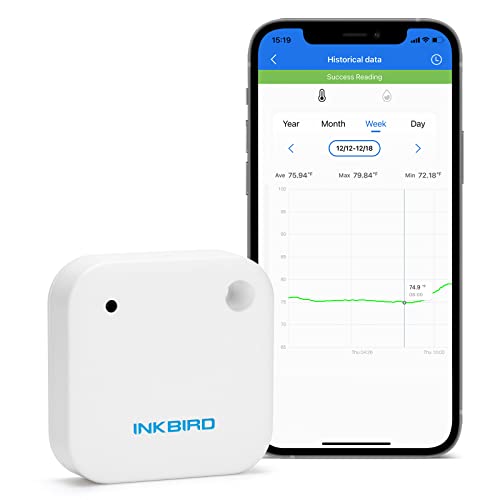
3. Inkbird IBS-TH2 Bluetooth Hygrometer Thermometer
Editor's Choice
Inkbird IBS-TH2 Bluetooth Hygrometer Thermometer
Pros
- •Provides accurate, real-time humidity and temperature readings
- •Bluetooth connectivity enables remote monitoring via smartphone app
- •Allows historical data logging to track environmental trends
- •Helps maintain optimal conditions without disturbing the animal during checks
Cons
- •Requires a smartphone for full functionality and data access
- •Battery operated, necessitating periodic battery replacements
- •Bluetooth range may limit monitoring distance from the enclosure
Bottom Line
This Bluetooth-enabled device provides crucial, accurate monitoring of humidity and temperature within a reptile enclosure. It allows keepers to track environmental conditions remotely, minimizing disturbance to the animal and maintaining stable parameters.
4. Herpstat 1 Thermostat for Reptile Enclosures
Best Overall
Herpstat 1 Thermostat for Reptile Enclosures
Pros
- •Precise digital temperature control prevents dangerous overheating in insulated PVC
- •Highly reliable and widely recommended by the reptile community for safety
- •Clear digital display for easy monitoring and accurate adjustments
- •Essential safety device to prevent thermal runaway with powerful heating elements
Cons
- •Higher initial cost compared to basic on/off thermostats
- •Designed to control only a single heating element, limiting complex setups
- •Requires proper setup and calibration for optimal performance and accuracy
Bottom Line
This thermostat is a critical component for safely managing heating in well-insulated PVC reptile enclosures. It provides precise temperature regulation, mitigating the risk of overheating and ensuring a stable thermal gradient for the animal.
5. F10 SC Veterinary Disinfectant
Budget Pick
F10 SC Veterinary Disinfectant
Pros
- •Broad-spectrum effectiveness against bacteria, fungi, and viruses
- •Safe for use around reptiles and other animals once dry and ventilated
- •Concentrated formula provides economical long-term use with proper dilution
- •Considered the 'gold standard' disinfectant in professional reptile husbandry
Cons
- •Requires accurate dilution before use, which can be a learning curve
- •Can be a higher initial purchase price than general household cleaners
- •Specific contact times may be necessary for maximum efficacy against certain pathogens
Bottom Line
Widely regarded as the premier disinfectant in reptile care, F10 SC offers unparalleled efficacy against a wide range of pathogens. It ensures a hygienic enclosure environment while remaining safe for animals once applied and dry.
What to Look for in a PVC Reptile Enclosure
Before you spend your money, there are a few key factors worth thinking through.
Size
This matters more than anything else. Your animal needs enough space to thermoregulate, explore, and express natural behaviors. A ball python needs at minimum a 4×2×2 enclosure as an adult. A leopard gecko can thrive in a 4×2×1. Don't buy for your animal's current size — buy for its adult size.
Ventilation
Good airflow prevents mold and keeps your animal healthy. Look for enclosures with cross-ventilation — vents on multiple sides, not just the top. Front-facing vents paired with a top screen are ideal for most setups.
Door Style
Front-opening doors are far more practical than top-opening lids. They reduce stress for your animal (no hand coming from above like a predator) and make it easier for you to access the enclosure without reaching over everything.
Stackability
If you're building a collection, stackable enclosures save a ton of floor space. Many of the best PVC reptile enclosures are designed specifically to stack safely, which is a huge advantage over glass tanks.
Hardware Quality
Check the locking mechanisms carefully. Snakes especially are escape artists. You want sturdy magnetic latches or locking clips — not cheap plastic tabs that pop open with a nudge.
The Best PVC Reptile Enclosures in 2026
Here's a breakdown of the top options worth considering for your setup.
1. The Bio Dude 4×2×2 PVC Enclosure
The Bio Dude is one of the most respected names in reptile husbandry, and their 4×2×2 PVC enclosure is a community favorite. It's built with high-quality PVC panels and features excellent front-opening doors with secure magnetic closures.
The 4×2×2 footprint is the ideal adult size for ball pythons, corn snakes, hognose snakes, juvenile boa constrictors, and bearded dragons. It comes pre-drilled for heating equipment and has thoughtful ventilation that works well for both dry and humid setups. If you want something that just works right out of the box, this is it.
You can see their full PVC lineup at thebiodude.com.
2. The Bio Dude White 48×24×24 Premium PVC Enclosure
For keepers who want a premium aesthetic, The Bio Dude's white 48×24×24 premium PVC enclosure is a showstopper. The clean white finish makes it look like a piece of furniture rather than a cage.
(Estimates only — actual prices on Amazon may vary.) These premium models typically run $300–$500 depending on the retailer and configuration.
The white interior also has a practical benefit — it's much easier to spot health issues. You'll notice shedding problems, mites, or respiratory discharge far faster in a light enclosure than in a dark one.
3. PVC Kage by The Bio Dude
The [PVC Kage series](https://www.amazon.com/dp/B086LHXHKT?tag=krawlo-20 offers a slightly more budget-friendly entry into quality PVC housing. The build quality is solid, ventilation is well-thought-out, and they come in multiple sizes. These are a great pick if you're just getting started with PVC and don't want to drop top dollar right away.
4. Zen Habitats 4×2×2 PVC Enclosure
Zen Habitats has built a strong reputation for reliable, well-priced PVC enclosures. Their [4×2×2 model](https://www.amazon.com/dp/B0DRSHBP5S?tag=krawlo-20 is one of the best-selling reptile enclosures on Amazon for good reason. The build is clean, the doors slide smoothly, and the price point makes it accessible for most budgets.
One note: Zen Habitats uses a slightly thinner PVC panel than some competitors. Still a quality product, but if you're housing a large, powerful constrictor like a blood python or BCI boa, you may want to opt for something with thicker walls.
5. Animal Plastics T8 PVC Enclosure
Animal Plastics (AP) is a long-standing name in the reptile world. Their [T8 series](https://www.amazon.com/dp/B0CV4VXC8K?tag=krawlo-20 enclosures are built like tanks — thick PVC, solid hardware, and a reputation for lasting decades. Many professional breeders run AP racks and enclosures throughout their facilities.
(Estimates only — actual prices on Amazon may vary.) AP enclosures typically cost more upfront — often $400–$700+ for larger sizes — but the durability is unmatched. If you're serious about the hobby and want something that will outlast your pets, AP is worth every penny.
PVC Enclosure Size Guide
Choosing the right size is critical. Here's a quick reference for common pet reptiles:
| Species | Minimum Adult Floor Space | Recommended PVC Size |
|---|---|---|
| Ball Python | 4 sq ft | 4×2×2 |
| Corn Snake | 4 sq ft | 4×2×2 |
| Bearded Dragon | 4 sq ft | 4×2×2 |
| Leopard Gecko | 2–3 sq ft | 4×2×1 |
| Blue-Tongue Skink | 4–6 sq ft | 4×2×2 or 6×2×2 |
| Boa Constrictor | 6+ sq ft | 6×2×2 or larger |
| Hognose Snake | 2–3 sq ft | 3×2×1 |
These are minimums. More space is almost always better. Reptiles with room to roam show more natural behaviors and tend to be healthier overall. For more help matching species to the right setup, check out our guide on Reptile Enclosures: Choosing the Right Habitat for Your Pet.
Setting Up Your PVC Enclosure
Once you've got your new enclosure, the real fun begins. Setting up a bioactive or naturalistic enclosure in PVC is one of the most rewarding parts of the hobby.
Heating
PVC's insulating properties mean you'll use less power to maintain temperatures. A radiant heat panel (RHP) or an overhead halogen bulb works great. Avoid undertank heaters — PVC doesn't transmit belly heat well, and many manufacturers void warranties if you attach UTHs directly to the bottom panel.
For species with basking needs like bearded dragons, a quality heat bulb mounted overhead will do the job nicely. Always pair it with a quality thermostat to prevent overheating.
Humidity Control
One of the biggest advantages of the best PVC reptile enclosures is humidity retention. You can maintain tropical humidity levels (60–80%) without spraying every few hours. For species like ball pythons or crested geckos, this is a genuine game changer.
Use a digital hygrometer to monitor levels, and adjust ventilation by covering portions of the screen top or opening vents as needed.
Substrate
PVC plays well with almost any substrate. For bioactive setups, a deep coconut fiber or tropical mix works beautifully. For snake keepers, aspen or paper-based substrates are easy to spot clean against smooth PVC walls.
Enrichment
Just because it's a PVC box doesn't mean it has to look boring. Cork bark, artificial vines, hides, and climbing branches all work great. PVC enclosures often have better depth for layered naturalistic setups than glass tanks. For species ideas and space requirements, our Best Reptiles to Have as Pets: A 2026 Keeper's Guide is a great starting point.
Maintaining Your PVC Enclosure
PVC is low-maintenance, but it still needs regular attention. Here's a simple routine that works.
Spot clean daily — remove waste, uneaten feeders, and soiled substrate. This takes two minutes and makes a huge difference in odor control.
Deep clean monthly — remove all decor and substrate, wipe down all surfaces with a reptile-safe disinfectant (F10 or diluted chlorhexidine work well), rinse thoroughly, and let everything dry completely before re-adding substrate.
Inspect hardware quarterly — check door latches, hinges, and ventilation screens for wear. Replace compromised hardware before it becomes a security issue.
A consistent cleaning schedule also helps you catch health issues early. The MorphMarket community has a great discussion on enclosure cleaning schedules if you want to dive deeper into best practices.
Custom and Stackable PVC Options
If you're building a serious collection, custom and stackable PVC enclosures are worth exploring.
Brands like Animal Plastics offer fully custom sizing. You can specify exact dimensions, door placement, vent locations, and color. This is ideal for species with unusual space requirements or for fitting enclosures into a specific room layout.
Stackable systems are especially popular with snake breeders. You can fit multiple enclosures in the footprint of one large tank. Just make sure the stack is stable and that heating is independent for each unit. Look for enclosures rated for stacking by the manufacturer — don't assume all PVC enclosures can handle the weight.
Where to Buy PVC Reptile Enclosures
The best PVC reptile enclosures come from dedicated reptile manufacturers, not big-box pet stores.
- The Bio Dude — excellent quality, great customer service, ships nationwide. Check their full lineup at thebiodude.com.
- Animal Plastics — the industry standard for serious breeders
- Zen Habitats — widely available on Amazon with solid community reviews
- Local reptile expos — often have vendors making custom PVC enclosures at competitive prices
(Estimates only — actual prices on Amazon may vary.) Budget $150–$250 for a quality 4×2×2, and $300–$600+ for larger or premium models.
Final Thoughts
PVC enclosures are the smartest long-term investment you can make for your reptile's home. They're durable, functional, and genuinely beautiful when set up well. Yes, the upfront cost is higher than a glass tank. But the performance — especially for humidity-sensitive species — is in a completely different league.
Start with the right size for your animal's adult needs, choose a reputable manufacturer, and you'll have an enclosure that lasts years (possibly decades). Your reptile deserves a proper home. The best PVC reptile enclosures make that easy to deliver.
Our Final Verdict

Zen Habitats 4×2×2 PVC Reptile Enclosure
This well-regarded PVC enclosure offers a spacious and thermally efficient habitat for various reptile species. Its design prioritizes ease of maintenance and excellent humidity retention, crucial for humidity-loving animals.

Animal Plastics T8 PVC Enclosure
Renowned for its robust build and exceptional durability, this PVC enclosure is a favorite among professional breeders. Its thick PVC construction and sturdy hardware provide a secure and thermally efficient environment for reptiles.
Inkbird IBS-TH2 Bluetooth Hygrometer Thermometer
This Bluetooth-enabled device provides crucial, accurate monitoring of humidity and temperature within a reptile enclosure. It allows keepers to track environmental conditions remotely, minimizing disturbance to the animal and maintaining stable parameters.
Frequently Asked Questions
For most reptile species, yes. PVC enclosures retain heat and humidity far better than glass, are lighter to move, and are easier to clean and disinfect. Glass only has an edge in upfront cost for smaller setups.
References & Sources
- https://community.morphmarket.com/t/enclosure-set-up-tips-tricks-thread/35204
- https://community.morphmarket.com/t/i-m-seeing-a-lot-of-conflicting-info-what-s-a-good-enclosure-cleaning-schedule/43532
- https://www.thebiodude.com/collections/pvc-reptile-enclosures?srsltid=AfmBOopn8NbW6QZwaarSL7LCwUuhdsfZxFgaOQgOfPgG1WjoljepRyi6
- https://www.thebiodude.com/collections/pvc-reptile-enclosures/pvc-kage?srsltid=AfmBOoqab_IRkuUsg0uAfaWXVMmpTB-FPyrdtDd0q0HRGsCxvXTemJbx
- https://www.thebiodude.com/products/the-bio-dude-exclusive-4x2x2-enclosure?srsltid=AfmBOoqH_hdGNXviT74Edka40vQhdCQxlQ_aCH3baoSjBFOmTMUJ
- https://www.thebiodude.com/products/white-48-x-24-x-24-bio-dude-premium-pvc-enclosure?srsltid=AfmBOoqEG5j-EF3yslel8jjxyEnqUlzZPycRriYz9BCHS7BADIjLgOPf
Related Articles

6 Best Ball Python Enclosures: PVC vs Glass Compared (2026)
We compared 6 top ball python enclosures for 2026 — PVC vs glass, humidity retention, front-opening designs, and picks from budget glass to professional PVC setups.

The Best Snake Enclosures: A Keeper's 2026 Guide
Looking for the best snake enclosures? Our expert guide reviews the top materials (PVC, glass, wood) and sizes to ensure your pet snake's health and security.

5 Best Veiled Chameleon Enclosures (2026): Screen Cages, Hybrid & Custom Options
Veiled chameleons need screen enclosures — glass causes reflection stress and stagnant air causes respiratory infections. We ranked the 5 best cages for 2026 by ventilation, drainage, and dimensions.