Best Pet Snakes for Kids: 4 Top Picks for 2026
Looking for the best pet snakes for kids? We rank 4 calm, hardy species perfect for young keepers — with care tips, setup advice, and age recommendations.


This article contains affiliate links. If you make a purchase through these links, we may earn a small commission at no extra cost to you. See our affiliate disclosure for details.
We recommend 5 picks here. Our top choice is the Zilla Reptile Starter Kit 10 with Light and Heat — check price and availability below.
How we choose: we compare published specifications against the care requirements in veterinary and species-care literature, and weigh those against what long-time keepers report. We do not test products ourselves and we do not restate Amazon star ratings. The 6 sources behind this article are listed at the bottom.
Quick Comparison
- Product Category
- Enclosure
- Core Benefit
- All-in-one starter
- Thermostat Required/Included
- Not included (Recommended)
- Initial Setup Effort
- Low (All-in-one)
- Growth Adaptability
- Low (Needs upgrade for adults)
- Product Category
- Heating
- Core Benefit
- Belly heat
- Thermostat Required/Included
- Yes (Essential for safety)
- Initial Setup Effort
- Medium (Requires integration)
- Growth Adaptability
- High (Scales with tank size)
- Product Category
- Temperature Control
- Core Benefit
- Auto temp regulation
- Thermostat Required/Included
- N/A (Is the thermostat)
- Initial Setup Effort
- Medium (Setup & calibration)
- Growth Adaptability
- High (Scales with tank size)
- Product Category
- Enrichment
- Core Benefit
- Stress reduction
- Thermostat Required/Included
- No
- Initial Setup Effort
- Low (Place in tank)
- Growth Adaptability
- Medium (May need larger size)
- Product Category
- Substrate
- Core Benefit
- Burrowing & absorbency
- Thermostat Required/Included
- No
- Initial Setup Effort
- Low (Add to tank)
- Growth Adaptability
- High (Refill as needed)
Prices are estimates only. Actual prices on Amazon may vary.
Snakes and kids — sounds like a recipe for chaos, right? Actually, the right snake can be one of the best pets a child can have. They're quiet, low-maintenance, and endlessly fascinating.
But not every snake is a good match for a young keeper. Some are too large, too defensive, or too delicate for regular handling. The best pet snakes for kids are calm, forgiving, and small enough to manage safely.
In this guide, I'll walk you through four top picks, what to look for before you buy, and exactly how to set your child up for success.
What Makes a Snake Good for Kids?
Before diving into the species list, it helps to know what actually matters when choosing a kid-friendly snake. Not all snakes are equal — and picking the wrong one leads to frustration for both the child and the animal.
Temperament
This is the most important factor. A good kids' snake shouldn't be defensive or bite-prone. You want a captive-bred animal that's been handled regularly. Captive-bred snakes are used to humans and far calmer than wild-caught ones. Always buy captive-bred.
Size
Smaller is safer for young keepers. A snake that fits comfortably in a child's hands is much easier to handle and less intimidating. Avoid large constrictors — even if a species is docile, a 6-foot snake is simply too much for most kids to manage safely.
Hardiness
Kids forget things. Water dishes go unfilled. Temperatures fluctuate. A hardy snake can bounce back from occasional care lapses without getting sick. Beginners — and their children — need a forgiving species.
Feeding
Picky eaters cause stress. You want a snake that readily accepts [frozen-thawed feeder mice](https://www.amazon.com/dp/B0CVMFHRZG?tag=krawlo-20 Live feeding is messier, more expensive, and can injure your snake. A species that eats frozen prey is always the smarter choice.
Cost
(Estimates only — actual prices on Amazon may vary.) The snake itself is often the cheapest part. A basic setup — enclosure, heating, substrate, hides, and water dish — typically runs $150–$300. Budget for that upfront before committing.
5 Key Factors for Choosing a Kid-Friendly Snake
What you need to know
Temperament: Choose calm, captive-bred snakes that are rarely defensive
Size: Smaller snakes (3–5 feet) are safer and easier for kids to handle
Hardiness: Pick forgiving species that can tolerate occasional care lapses
Feeding: Select snakes that readily accept frozen-thawed mice without fussing
Cost: Budget $150–$300 for enclosure + setup before buying the snake
4 Best Pet Snakes for Kids
Quick recommendations
Gentle, colorful (multiple morphs), 3–5 feet, excellent for ages 8+, perfect first snake
Docile, compact, stocky build, ages 10+, may be picky eaters but very calm
Hardy, colorful banding, more active to watch, ages 10+, can be nippy as juveniles
Smallest option (under 3 feet), daytime-active, ages 6+, affordable and engaging
Detailed Reviews
1. Zilla Reptile Starter Kit 10 with Light and Heat
Best Value
Zilla Reptile Starter Kit 10 with Light and Heat
Pros
- •All-in-one solution simplifies initial setup for new owners.
- •Includes essential components: tank, screen top, and basic heating.
- •Removes guesswork for beginners, ensuring a foundational setup.
- •Suitable for temporary housing of small juvenile snakes.
Cons
- •10-gallon size is only suitable for very young or small species temporarily.
- •Basic heating might require upgrades or a separate thermostat for optimal thermal gradients.
- •May lack advanced features or customizability found in separate components.
- •Does not include substrate, hides, or water bowls.
Bottom Line
This all-in-one starter kit provides a convenient and straightforward way for new snake owners to begin. While ideal for initial setup, the 10-gallon size is limiting and will necessitate an upgrade as the snake grows.
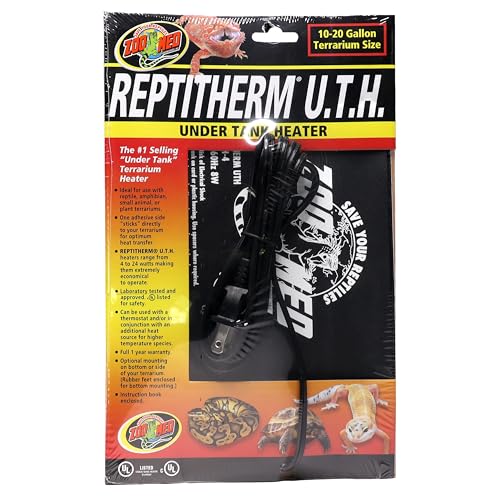
2. Zoo Med ReptiTherm Under Tank Heater
Editor's Choice
Zoo Med ReptiTherm Under Tank Heater
Pros
- •Effectively creates a crucial warm spot for thermal regulation.
- •Adheres to the bottom of the enclosure for discreet heating.
- •Provides belly heat, which many snake species prefer for digestion.
- •Reliable and consistent heat source when properly controlled.
Cons
- •Requires a separate thermostat for safe operation and precise temperature regulation.
- •Does not significantly contribute to ambient air temperature.
- •Placement can be challenging with some substrate types or enclosure materials.
- •Can cause burns if not controlled by a thermostat.
Bottom Line
This under-tank heater is an essential component for establishing a proper thermal gradient within a snake enclosure. It provides targeted belly heat, but its safe and effective use is entirely dependent on pairing it with a thermostat.
3. Inkbird Reptile Thermostat Temperature Controller
Best Overall
Inkbird Reptile Thermostat Temperature Controller
Pros
- •Automatically maintains precise temperature ranges, preventing dangerous fluctuations.
- •Crucial safety device, preventing overheating or underheating of the enclosure.
- •Easy to set up and program for consistent environmental control.
- •Enhances the lifespan and safety of heating elements by preventing constant maximum output.
Cons
- •Represents an additional upfront cost to an enclosure setup.
- •Requires proper probe placement for accurate temperature readings.
- •Can fail if not regularly checked, potentially leading to dangerous conditions.
Bottom Line
An indispensable device for any reptile setup, this thermostat ensures the consistent and safe regulation of enclosure temperatures. It eliminates the risk of overheating and provides peace of mind for both new and experienced keepers.
4. Exo Terra Snake Hide Cave
Premium Pick
Exo Terra Snake Hide Cave
Pros
- •Provides essential security and stress reduction for snakes.
- •Supports natural burrowing and hiding behaviors, crucial for well-being.
- •Specifically sized for common beginner snake species like corn snakes and ball pythons.
- •Durable and easy to clean, contributing to good enclosure hygiene.
Cons
- •Only one hide; snakes require at least two for proper thermal regulation.
- •May need to be replaced as the snake grows larger.
- •Does not offer thermal properties; functions solely as a physical hiding spot.
Bottom Line
This hide cave offers a vital sense of security and promotes natural behaviors for many popular beginner snake species. While well-designed for its purpose, keepers must provide at least one additional hide to ensure a snake's complete thermal and psychological comfort.
5. Kaytee Aspen Bedding for Snakes
Budget Pick
Kaytee Aspen Bedding for Snakes
Pros
- •Excellent for burrowing, satisfying natural snake behaviors.
- •Highly absorbent, aiding in waste management and spot cleaning.
- •Safe and non-toxic for common beginner species like corn snakes and kingsnakes.
- •Economical and widely available, making it a cost-effective choice.
Cons
- •Poor at retaining humidity, which may be a drawback for some species.
- •Can mold if consistently wet, requiring regular monitoring.
- •Dust can be an issue for some keepers or snakes, requiring careful sifting.
Bottom Line
Kaytee Aspen Bedding is a popular and practical substrate choice, especially favored for snakes that enjoy burrowing and thrive in lower-humidity environments. Its absorbency and ease of spot-cleaning make it a user-friendly option for maintaining a hygienic enclosure.
The 4 Best Pet Snakes for Kids
1. Corn Snake
The corn snake is the gold standard for kid-friendly pets. If I could only recommend one snake for families with children, this would be it — every time.
Corn snakes are gentle by nature. They rarely bite, even as hatchlings. They're slender and lightweight, which makes them comfortable for smaller hands to hold. As adults, they reach 3–5 feet — impressive enough to be exciting, small enough to stay manageable.
They come in dozens of stunning color morphs: vivid oranges, lavenders, creams, and everything in between. That visual variety makes them exciting to kids who want something that looks cool.
Feeding is simple. Corn snakes almost always accept frozen-thawed mice without hesitation. You'll feed juveniles every 5–7 days and adults every 7–10 days. Missed a day? No big deal. They can go longer without stressing.
Care requirements are about as simple as it gets. They need a 20-gallon tank for juveniles and a 40-gallon for adults, temperatures of 75–85°F with a warm basking spot around 88°F, and humidity of 40–60%. According to PetMD's corn snake care sheet, they're one of the most beginner-friendly reptiles available.
Best for: Ages 8 and up, first-time snake owners, families who want a colorful and handleable pet.
| Trait | Score |
|---|---|
| Temperament | Excellent |
| Hardiness | Excellent |
| Handleability | Excellent |
| Feeding ease | Very Good |
| Budget-friendliness | Very Good |
2. Ball Python
Ball pythons are the most popular pet snake in the world — and it's not hard to see why. They're docile, compact, and just the right fit for older kids and teenagers.
Adults reach 3–5 feet and are stockier than corn snakes. That extra bulk actually makes them feel more secure in your hands. They don't squirm as much, which some kids prefer.
The name "ball python" comes from their defensive behavior — when nervous, they curl into a tight ball. They almost never bite. Even captive-bred hatchlings usually calm down within a few short handling sessions.
One thing to know upfront: ball pythons can be picky eaters. Some go on hunger strikes for weeks or even months. It's normal and usually harmless, but it can be stressful for new keepers. If your child is the anxious type, this might cause some worry.
They need higher humidity than corn snakes — around 60–80%. This is key for healthy sheds. A digital hygrometer and a tight-fitting lid with occasional misting does the trick.
(Estimates only — actual prices on Amazon may vary.) A basic ball python setup runs $150–$250, and the snake itself is typically $30–$80 for a common morph. Rarer morphs can be hundreds — that's a rabbit hole worth knowing about before you visit a reptile expo.
For a broader look at beginner-friendly species, check out our guide to the Best Pet Snakes for Beginners: 10 Top Picks Ranked.
Best for: Ages 10 and up, kids who want a calm, chunky snake, households that can monitor humidity.
3. Kingsnake or Milksnake
Kingsnakes and milksnakes are seriously underrated kids' pets. They don't get as much attention as corn snakes or ball pythons, but they're fantastic in the right household.
California kingsnakes are the most popular. They're active, curious, and come in bold black-and-white banding that looks striking. They're also incredibly hardy — in the wild, kingsnakes eat other snakes, including venomous ones. That toughness carries straight into captivity.
Milksnakes are similar but often more colorful, with red, black, and yellow banding. They look a bit like coral snakes, which tends to thrill snake-obsessed kids.
One honest downside: kingsnakes can be nippy as juveniles. With regular, gentle handling, most calm down significantly within a few months. A small bite from a young kingsnake doesn't even break the skin — it's more of a surprise than a real injury. But your child should be old enough to handle that without panicking.
They eat [frozen-thawed mice](https://www.amazon.com/dp/B0G8TTK5LR?tag=krawlo-20 readily and stay a manageable 3–4 feet as adults. Care requirements are nearly identical to corn snakes — low humidity, simple temperature gradient, aspen substrate.
Best for: Ages 10 and up, kids who want a more active, feisty snake they can watch explore.
4. Garter Snake
Garter snakes are a great option if you're looking for something small, lively, and affordable. Many kids catch them in the backyard — and captive-bred ones are also widely available from breeders.
They're the smallest species on this list. Most stay under 3 feet, and their slender build makes them ideal for younger children or kids with smaller hands.
Here's the biggest perk: garter snakes are diurnal, meaning they're active during the day. Most other snakes on this list sleep through the afternoon. A daytime-active snake is far more engaging for kids — they can actually watch it move, hunt, and explore.
Feeding is a little different. Garter snakes naturally eat fish, earthworms, and small amphibians. Captive-bred ones can often be transitioned to frozen-thawed pinky mice, but it sometimes takes patience and a bit of scenting.
One quirk: garter snakes produce a mild musk when stressed. It's not dangerous — just a little smelly. Most kids find this more amusing than gross.
Best for: Ages 6 and up (with adult supervision), kids who want a small, active, daytime snake.
Quick Comparison: Which Snake Is Right for Your Child?
| Species | Adult Size | Temperament | Feeding | Humidity | Best Age |
|---|---|---|---|---|---|
| Corn Snake | 3–5 ft | Very docile | F/T mice, easy | 40–60% | 8+ |
| Ball Python | 3–5 ft | Very docile | Can be picky | 60–80% | 10+ |
| Kingsnake | 3–4 ft | Active, can nip when young | F/T mice, easy | 40–60% | 10+ |
| Garter Snake | 2–3 ft | Active, flighty | Worms, fish, pinky mice | 50–70% | 6+ (supervised) |
Setting Up the Perfect Habitat
A proper setup matters just as much as choosing the right species. A snake in the wrong environment gets stressed — and stressed snakes stop eating, stop growing, and start biting.
Enclosure Size
For juveniles of any species on this list, a 20-gallon glass tank is a solid starting point. Adults of corn snakes, ball pythons, and kingsnakes will appreciate upgrading to a 40-gallon breeder as they grow. Garter snakes can live their whole lives comfortably in a 20–30 gallon setup.
Always choose a tank with a locking, screened lid. Snakes are exceptional escape artists, and a loose lid means a missing snake — usually found behind a refrigerator weeks later.
Temperature and Heating
All four species need a thermal gradient: a warm side and a cool side. This lets your snake self-regulate its body temperature, just as it would in the wild.
| Species | Cool Side | Warm Side | Basking Spot |
|---|---|---|---|
| Corn Snake | 70–75°F | 80–85°F | 85–88°F |
| Ball Python | 76–80°F | 88–92°F | 88–92°F |
| Kingsnake | 70–75°F | 85–90°F | 85–90°F |
| Garter Snake | 65–75°F | 80–85°F | 85°F |
Use an under-tank heater or a low-wattage heat lamp. Always pair it with a thermostat — overheating kills reptiles quickly and silently.
Hides and Enrichment
Every snake on this list needs at least two hides: one on the warm side, one on the cool side. This is non-negotiable. A snake without hides is a stressed snake, and a stressed snake bites.
Add a water dish large enough to soak in. Most snakes will soak themselves before shedding. Keep it clean — change it every 2–3 days.
Substrate
[Aspen shavings](https://www.amazon.com/dp/B0009KJ0A2?tag=krawlo-20 work great for corn snakes and kingsnakes. Ball pythons do better with coconut fiber or cypress mulch, which holds moisture and supports higher humidity. Garter snakes do well on either.
Never use cedar or pine shavings. The aromatic oils in those woods are toxic to reptiles — even short exposure can cause respiratory damage.
Understanding Snake Behavior With Kids
Teaching your child to read their snake's body language is just as important as the physical care routine. A snake that feels understood is a snake that stays calm.
A relaxed snake moves smoothly, flicks its tongue steadily, and explores without hesitation. A stressed snake may flatten its head into a triangle shape, hiss, coil tightly, or vibrate its tail. Those are clear signals: back off, give the snake space, and try again another day.
Teach your child these core handling rules:
- Always support the full body — never dangle the snake by its tail
- Keep handling sessions to 10–15 minutes, especially at first
- Never handle during a shed (eyes look blue/cloudy) — wait until the shed is complete
- Wait 48 hours after feeding before handling — disturbing a snake right after it eats can cause regurgitation
- Always wash hands before and after handling
According to The Spruce Pets, short, calm sessions and consistent gentle handling builds trust with the snake over time — and helps kids learn patience and responsibility in the process.
If your child loves reptiles beyond snakes, be sure to check out Best Lizard for Kids: Our Top 5 Easiest Pets for 2026 — many families find that a corn snake and a leopard gecko make a perfect starter collection.
What to Look for in a Healthy Snake
Whether you're buying from a breeder, a pet store, or a reptile expo, knowing how to spot a healthy animal saves a lot of heartbreak.
A healthy snake should:
- Have clear, bright eyes (unless mid-shed)
- Have clean, smooth scales with no visible cuts, mites, or retained shed
- Be alert and active when gently handled
- Have a rounded body — not sunken or "boxy" along the spine, which signals underweight
- Breathe quietly — wheezing or clicking sounds mean a respiratory infection
Always ask the seller when the snake last ate and what it ate. A snake that hasn't eaten in several weeks isn't automatically sick, but it's worth asking why. Captive-bred snakes from reputable breeders typically eat reliably.
PetMD notes that buying from a reputable captive breeder — rather than wild-caught animals — dramatically improves both the snake's health and its temperament around children.
Final Thoughts
The best pet snakes for kids are gentle, hardy, and the right size for young hands. Corn snakes lead the pack for most families — they're the easiest, friendliest, and most forgiving option available. Ball pythons are a close second for older kids who want something chunkier. Kingsnakes bring personality and activity. And garter snakes are ideal for younger children who want something small and fun to watch.
Whichever species you choose, set up the habitat fully before the snake arrives. A comfortable, properly heated enclosure with two hides and a clean water dish makes all the difference. A happy snake is a calm snake — and a calm snake is the best first pet a reptile-loving kid can have.
Our Final Verdict

Zilla Reptile Starter Kit 10 with Light and Heat
This all-in-one starter kit provides a convenient and straightforward way for new snake owners to begin. While ideal for initial setup, the 10-gallon size is limiting and will necessitate an upgrade as the snake grows.
Zoo Med ReptiTherm Under Tank Heater
This under-tank heater is an essential component for establishing a proper thermal gradient within a snake enclosure. It provides targeted belly heat, but its safe and effective use is entirely dependent on pairing it with a thermostat.

Inkbird Reptile Thermostat Temperature Controller
An indispensable device for any reptile setup, this thermostat ensures the consistent and safe regulation of enclosure temperatures. It eliminates the risk of overheating and provides peace of mind for both new and experienced keepers.
Frequently Asked Questions
Corn snakes and ball pythons are the most tolerant of regular handling. Both species, when captive-bred and handled from a young age, will often rest calmly on a child's arm or shoulders without trying to escape. Ball pythons in particular are known for being very still and relaxed during handling sessions.
References & Sources
- https://www.petmd.com/reptile/care/evr_rp_5-best-reptiles-and-amphibians-kids
- https://www.thesprucepets.com/best-pet-reptiles-for-beginners-1237230
- https://www.petmd.com/reptile/corn-snake-care-sheet
- https://www.thesprucepets.com/cute-reptiles-4164697
- https://www.petmd.com/reptile/slideshows/best-captive-bred-snakes-stay-small
- https://www.petmd.com/dog/pet-lover/these-are-best-pets-kids-each-age
Related Articles

Best Pet Lizards for Kids: A Keeper's Guide (2026)
Looking for the perfect first reptile? We review the best pet lizards for kids, focusing on temperament, easy care, and handling to help you choose a fantastic family pet.

Best Pet Snakes: A Guide for Every Keeper
Looking for the best pet snakes? Our guide ranks top species by temperament, size, and care needs, helping you find the perfect slithery companion.

Best Pet Snakes for Beginners: 10 Top Picks Ranked
Ranked by ease of care, temperament, and cost — the 10 best pet snakes for beginners, with a quick-match table so you can find your perfect first snake instantly.