Best Pet Lizards: 10 Top Species Ranked (2026)
Looking for the best pet lizards? We rank 10 top species by ease of care, temperament, and cost — from leopard geckos to tegus. Find your perfect match.


This article contains affiliate links. If you make a purchase through these links, we may earn a small commission at no extra cost to you. See our affiliate disclosure for details.
We recommend 5 picks here. Our top choice is the Reptile UVB + Basking Combo Light Kit — check price and availability below.
How we choose: we compare published specifications against the care requirements in veterinary and species-care literature, and weigh those against what long-time keepers report. We do not test products ourselves and we do not restate Amazon star ratings. The 5 sources behind this article are listed at the bottom.
Quick Comparison
- Product Category
- Lighting
- Lizard Type Primary Use
- Diurnal
- Setup Complexity Reduction
- High
- Initial Cost (Estimate)
- $30-60
- Long-term Maintenance
- Bulb replacement
- Product Category
- Enclosure
- Lizard Type Primary Use
- Nocturnal
- Setup Complexity Reduction
- High
- Initial Cost (Estimate)
- $80-150
- Long-term Maintenance
- Potential upgrades
- Product Category
- Monitoring
- Lizard Type Primary Use
- All Species
- Setup Complexity Reduction
- Moderate
- Initial Cost (Estimate)
- $15-30
- Long-term Maintenance
- Battery replacement
- Product Category
- Supplementation
- Lizard Type Primary Use
- All Species
- Setup Complexity Reduction
- Low
- Initial Cost (Estimate)
- $5-15
- Long-term Maintenance
- Consistent application
- Product Category
- Feeding
- Lizard Type Primary Use
- Insectivorous
- Setup Complexity Reduction
- Low
- Initial Cost (Estimate)
- $20-40
- Long-term Maintenance
- Storage/gut-loading
Prices are estimates only. Actual prices on Amazon may vary.
Lizards make incredible pets. They're fascinating to watch, surprisingly interactive, and come in a huge range of sizes and personalities. Whether you're brand new to reptiles or you've kept snakes for years, there's a pet lizard out there that fits your lifestyle.
But with hundreds of species in the pet trade, how do you pick the right one?
This guide breaks down the ten best pet lizards based on temperament, care difficulty, size, and cost. We've ranked them so you can find your perfect match — no guesswork required.
What Makes a Lizard a Good Pet?
Not every lizard does well in captivity. The best ones share a few key traits:
- Docile temperament — tolerates handling without constant stress
- Hardy health — forgiving of the occasional beginner mistake
- Manageable size — fits comfortably in a home setup
- Reasonable cost — affordable to buy and maintain long-term
- Captive-bred availability — reduces disease risk and supports conservation
Keep these factors in mind as you read through our picks. The "best" lizard isn't the flashiest — it's the one that matches your experience level, schedule, and living space.
Key Takeaways
What you need to know
Docile temperament — tolerates handling without constant stress
Hardy health — forgiving of the occasional beginner mistake
Manageable size — fits comfortably in a home setup
Reasonable cost — affordable to buy and maintain long-term
Captive-bred availability — reduces disease risk and supports conservation
Our Top Picks
Quick recommendations
7–10 inches, 15–20 year lifespan. Docile, no UVB required, simple live insect diet
16–24 inches. Friendly and interactive, bond with keepers, need UVB and heat
7–9 inches, room temperature fine. Commercial diet (Pangea/Repashy) eliminates live insects
17–24 inches, 15–20 years. Calm, slow-moving, flexible omnivore diet
24–28 inches, 15–20 years. Intelligent, curious, dog-like personality. $200–500
Detailed Reviews
1. Reptile UVB + Basking Combo Light Kit
Editor's Choice
Reptile UVB + Basking Combo Light Kit
Pros
- •Delivers both UVB and heat from one fixture.
- •Simplifies wiring and setup, reducing clutter.
- •Ensures appropriate light spectrum and temperature for basking.
- •Suitable for a variety of diurnal reptile species.
Cons
- •If one bulb fails, both functions are lost temporarily.
- •May be less customizable than separate fixtures.
- •Bulbs require regular replacement, adding to long-term cost.
Bottom Line
This all-in-one lighting solution provides critical UVB radiation and a necessary basking heat source. It streamlines enclosure setup by combining two essential elements into a single unit.
2. Leopard Gecko Starter Terrarium Kit
Best Value
Leopard Gecko Starter Terrarium Kit
Pros
- •Includes tank, heating, and hides for immediate setup.
- •Removes guesswork for beginners on necessary items.
- •Ensures correct minimum enclosure size for leopard geckos.
- •Often more cost-effective than buying all items separately initially.
Cons
- •Components may be basic and require eventual upgrades.
- •Heating methods might be fixed (e.g., UTH) limiting flexibility.
- •Typically designed for a single species, not versatile.
Bottom Line
This comprehensive kit provides essential components for housing a new leopard gecko. It simplifies the initial setup process, making it ideal for first-time reptile owners.
3. Digital Reptile Thermometer Hygrometer
Best Overall
Digital Reptile Thermometer Hygrometer
Pros
- •Provides precise digital temperature and humidity data.
- •Allows monitoring of both warm and cool zones.
- •Helps prevent common beginner mistakes related to husbandry.
- •Essential for maintaining optimal health conditions for any lizard.
Cons
- •Probe placement is critical for accurate readings.
- •Battery reliance means occasional replacement is needed.
- •Some models may have less durable sensors in humid environments.
Bottom Line
Accurate environmental monitoring is crucial for reptile health, and this device provides precise temperature and humidity readings. Its dual functionality allows for comprehensive climate oversight within an enclosure.
4. Reptile Calcium Supplement with Vitamin D3
Budget Pick
Reptile Calcium Supplement with Vitamin D3
Pros
- •Prevents metabolic bone disease (MBD).
- •Supports healthy bone development and maintenance.
- •Vitamin D3 aids calcium absorption in lizards without adequate UVB.
- •Easily administered by dusting feeder insects.
Cons
- •Incorrect dosage can lead to hypercalcemia or vitamin D3 toxicity.
- •Requires consistent application with every feeding.
- •Not a substitute for proper lighting or diet.
Bottom Line
This supplement is vital for preventing metabolic bone disease, a prevalent and debilitating condition in captive lizards. It provides essential calcium and Vitamin D3, crucial for bone health and proper bodily functions.
5. Live Feeder Insect Variety Pack
Premium Pick
Live Feeder Insect Variety Pack
Pros
- •Ensures a broader spectrum of nutrients than single feeders.
- •Offers feeding enrichment and mental stimulation.
- •Suitable for a wide range of insectivorous species.
- •Convenient way to source diverse live feeders.
Cons
- •Some lizards may be picky and refuse certain insects.
- •Requires proper gut-loading and storage upon arrival.
- •Live feeders can be more challenging to manage than prepared foods.
Bottom Line
Providing a varied diet is crucial for the long-term health and wellbeing of insectivorous lizards. This pack offers a mix of common feeder insects, ensuring nutritional diversity and enriching meal times.
The 10 Best Pet Lizards
1. Leopard Gecko (Eublepharis macularius)
Leopard geckos are the number-one recommended lizard for beginners — and for good reason. They're small, docile, and surprisingly easy to care for.
These nocturnal geckos become active in the evening. They don't need UVB lighting (though low-level UVB is now recommended). Their diet is simple: [live crickets and mealworms](https://www.amazon.com/dp/B0B1L66YR6?tag=krawlo-20 dusted with calcium.
Quick Stats:
- Size: 7–10 inches
- Lifespan: 15–20 years
- Enclosure: 20-gallon minimum
- Difficulty: Beginner
Leopard geckos are ground-dwellers, so they don't need tall vivariums. A shallow tank with two hides (one warm, one cool), a heat mat, and a shallow water dish covers their basic needs.
If you're choosing your very first lizard, the leopard gecko is hard to beat. Check out our best pet lizards for beginners guide for a full comparison of starter species.
2. Bearded Dragon (Pogona vitticeps)
Bearded dragons are the most popular pet lizard in the world — and they've earned that title. They're friendly, curious, and genuinely seem to enjoy human interaction. Some even wave their arms as a social signal, which never gets old.
"Beardies" are diurnal (active during the day), so they need strong UVB lighting and a basking spot around 100–110°F. Their diet includes both insects AND vegetables, which makes feeding more involved than a gecko.
Quick Stats:
- Size: 16–24 inches
- Lifespan: 10–15 years
- Enclosure: 120-gallon minimum for adults
- Difficulty: Beginner–Intermediate
Bearded dragons bond with their keepers. Daily handling keeps them tame and social. For lighting and heating setup, our best heat lamps for reptiles comparison covers every budget.
If you want a lizard that acts like a pet, this is your top pick.
3. Blue-Tongued Skink (Tiliqua scincoides)
Blue-tongued skinks are chunky, heavy-bodied lizards with a bright blue tongue they flash as a defense signal. It startles predators. It delights owners.
These skinks are calm, slow-moving, and handle stress better than most lizards. They don't climb, so a wide floor-space enclosure works perfectly. They're also omnivores — their diet includes commercial dog food, fruits, vegetables, and insects. Simple and flexible.
Quick Stats:
- Size: 17–24 inches
- Lifespan: 15–20 years
- Enclosure: 4×2×2 ft minimum
- Difficulty: Beginner–Intermediate
(Estimates only — actual prices on Amazon may vary.) Northern blue-tongued skinks typically cost $150–$400 from reputable breeders. They're the tamest and most commonly available subspecies — a great starting point.
4. Crested Gecko (Correlophus ciliatus)
Crested geckos nearly went extinct in the wild before being rediscovered in 1994. Today they're one of the most popular reptile pets in the hobby — and for good reason.
They don't need supplemental heat if your home stays above 65°F. Room temperature works fine for most of the year. Their commercial diet is the real selling point: Pangea or Repashy crested gecko food provides complete nutrition. Just mix with water and serve.
Quick Stats:
- Size: 7–9 inches
- Lifespan: 15–20 years
- Enclosure: 18×18×24 inch tall vivarium
- Difficulty: Beginner
One thing to know: crested geckos can drop their tails when stressed, and the tail doesn't grow back. Handle them gently and let them get comfortable with you before rushing into long sessions.
Watching a crested gecko explore a planted vivarium at night is genuinely one of the most entertaining things in the hobby.
5. Uromastyx (Uromastyx spp.)
Uromastyx are desert-dwelling spiny lizards from North Africa and the Middle East. Here's their biggest selling point: they eat primarily seeds and vegetables. No live insects required.
If bugs gross you out, this is your lizard.
They do need extreme heat — basking spots up to 120°F — but once their enclosure is dialed in, they're low-maintenance. Their bright colors (yellow, orange, and green depending on species) make them one of the most visually striking lizards in the hobby.
Quick Stats:
- Size: 10–18 inches (species-dependent)
- Lifespan: 15–20 years
- Enclosure: 4×2×2 ft minimum
- Difficulty: Intermediate
Uromastyx are diurnal and very active during the day. They're curious and learn to recognize their keepers quickly.
6. Chinese Water Dragon (Physignathus cocincinus)
Chinese water dragons look like miniature dinosaurs — emerald green with striking blue-green body markings and a long whip tail. They're active, alert, and genuinely impressive on display.
They need high humidity (70–80%), a water feature for soaking, and a tall enclosure for climbing. Their care is more demanding than geckos, but the payoff is a stunning vivarium animal.
Quick Stats:
- Size: 24–36 inches
- Lifespan: 10–15 years
- Enclosure: 6×3×4 ft minimum
- Difficulty: Intermediate
Young water dragons can be skittish, but most calm down significantly with consistent, gentle handling. Start short sessions and let them adjust at their own pace.
7. Ackie Monitor (Varanus acanthurus)
Ackie monitors are small members of the monitor lizard family — and they punch way above their weight in personality. They're intelligent, curious, and highly interactive. Many keepers describe them as "dog-like" in their enthusiasm for food and attention.
Unlike large monitors, ackies stay manageable. An adult fits comfortably in a 4×2×4 ft enclosure.
Quick Stats:
- Size: 24–28 inches
- Lifespan: 15–20 years
- Enclosure: 4×2×4 ft minimum
- Difficulty: Intermediate
(Estimates only — actual prices on Amazon may vary.) Ackies typically cost $200–$500 from reputable breeders — a premium investment. But keepers consistently rave about how rewarding they are to own.
They need high surface temperatures (140°F+ basking spot) and a deep substrate for burrowing. Get that right and they thrive.
8. African Fat-Tailed Gecko (Hemitheconyx caudicinctus)
African fat-tailed geckos are the calmer, mellower cousin of the leopard gecko. They store fat reserves in their thick tails — which is where the name comes from. They're native to West Africa and prefer slightly higher humidity than leopard geckos.
Care is nearly identical to leopard geckos, with one key difference: aim for 60–70% humidity instead of the drier conditions leopard geckos prefer.
Quick Stats:
- Size: 7–9 inches
- Lifespan: 15–20 years
- Enclosure: 20-gallon minimum
- Difficulty: Beginner
Fat-tails are known for their exceptionally calm temperament. They take a bit longer to warm up to handling than leopard geckos, but once they trust you, they're wonderfully docile. If you want the leopard gecko experience with an even gentler demeanor, the fat-tail is your pick.
9. Green Anole (Anolis carolinensis)
Green anoles are small, fast, and inexpensive — often available for under $10 at pet stores. They're not ideal for frequent handling, but they're excellent display animals and endlessly interesting to observe.
Quick Stats:
- Size: 5–8 inches
- Lifespan: 3–7 years
- Enclosure: 10-gallon minimum (taller is better)
- Difficulty: Beginner
Green anoles change color based on stress and temperature — bright green when calm, brown when stressed or cold. They need live insects, daily misting, and a planted enclosure to do well.
For families with younger kids who want a lizard to watch rather than handle, green anoles are an affordable, low-commitment option.
10. Argentine Black and White Tegu (Salvator merianae)
Tegus are the dog of the lizard world. They're large, highly intelligent, and can be trained to respond to their name. Many keepers walk their tegus on a leash. Yes, really.
This is not a beginner's lizard. They need significant space, daily handling when young, and a keeper who's done their research. But for experienced reptile enthusiasts, tegus offer a level of personality and interaction that's unmatched in the hobby.
Quick Stats:
- Size: 3–5 feet
- Lifespan: 15–20 years
- Enclosure: 8×4×4 ft minimum
- Difficulty: Advanced
(Estimates only — actual prices on Amazon may vary.) Tegus cost $200–$600 and their enclosures run $500+. Factor in the full long-term investment before committing. They're also banned in some US states — check your local laws first.
Quick Comparison: Best Pet Lizards at a Glance
| Lizard | Size | Lifespan | Difficulty | Best For |
|---|---|---|---|---|
| Leopard Gecko | 7–10 in | 15–20 yr | Beginner | First-time owners |
| Bearded Dragon | 16–24 in | 10–15 yr | Beginner | Families, interactive pets |
| Blue-Tongued Skink | 17–24 in | 15–20 yr | Beginner | Hands-on keepers |
| Crested Gecko | 7–9 in | 15–20 yr | Beginner | Low-effort setups |
| Uromastyx | 10–18 in | 15–20 yr | Intermediate | Bug-averse keepers |
| Chinese Water Dragon | 24–36 in | 10–15 yr | Intermediate | Display vivariums |
| Ackie Monitor | 24–28 in | 15–20 yr | Intermediate | Experienced keepers |
| African Fat-Tailed Gecko | 7–9 in | 15–20 yr | Beginner | Calm handling |
| Green Anole | 5–8 in | 3–7 yr | Beginner | Watching, not holding |
| Argentine Tegu | 3–5 ft | 15–20 yr | Advanced | Experienced only |
How to Choose the Right Lizard for You
Picking the right pet lizard comes down to four honest questions.
How much time do you have? Bearded dragons need daily feeding, handling, and attention. Crested geckos are fine with a check-in every couple of days. Be realistic about your schedule before you commit.
What's your experience level? Start with leopard geckos, fat-tailed geckos, or crested geckos if you're new to reptiles. Save monitors and tegus for after you've learned the fundamentals. Our best pet lizards for beginners guide goes deeper on starter-friendly species.
How much space do you have? A leopard gecko lives happily in a 20-gallon tank on a shelf. A tegu needs a dedicated room-sized enclosure. Match the animal to your living situation — not the other way around.
What's your budget? (Estimates only — actual prices on Amazon may vary.) Factor in the lizard itself, the enclosure, heating and lighting equipment, substrate, and ongoing food costs. Leopard geckos and crested geckos are the most budget-friendly options. Monitors and tegus are significantly more expensive to set up and maintain.
Where to Buy a Pet Lizard
Always buy captive-bred animals from reputable breeders. Wild-caught lizards carry higher parasite loads, experience more stress in captivity, and are much harder to tame.
Best places to find healthy captive-bred lizards:
- Local reptile expos — the best way to see the animal in person before you buy. Ask questions directly.
- Morph Market — a large, well-reviewed online marketplace for captive-bred reptiles
- Reputable breeders — look for clear photos, health guarantees, and verifiable reviews
Avoid big-box pet stores when possible. Many stock animals with unclear health histories. If you do buy from a pet store, ask specifically whether the animal is captive-bred.
Before committing to any species, read the full care sheet at ReptiFiles — their species guides are among the most accurate and up-to-date available. The Spruce Pets also has solid beginner-friendly overviews at thesprucepets.com.
Setting Up Your Lizard's First Enclosure
Once you've chosen your species, here's the gear you'll need:
- Enclosure — glass or PVC, sized to your species
- Heating — under-tank heater or basking lamp depending on species
- UVB lighting — required for most diurnal lizards (not needed for leopard geckos or crested geckos)
- Substrate — paper towel during quarantine, then species-appropriate bioactive or loose substrate
- Hides — at least two: one on the warm side, one on the cool side
- Water dish — shallow, stable, and easy to clean
- Calcium supplement — [reptile calcium with D3](https://www.amazon.com/dp/B0B57KL69G?tag=krawlo-20 dusted on feeder insects
For heating and lighting across all these species, check our best heat lamps for reptiles comparison to find the right fixture for your setup and budget.
The right setup from day one makes an enormous difference. A stressed lizard in a poor enclosure will hide constantly and resist handling. A well-housed lizard becomes confident, visible, and genuinely enjoyable to own.
Our Final Verdict
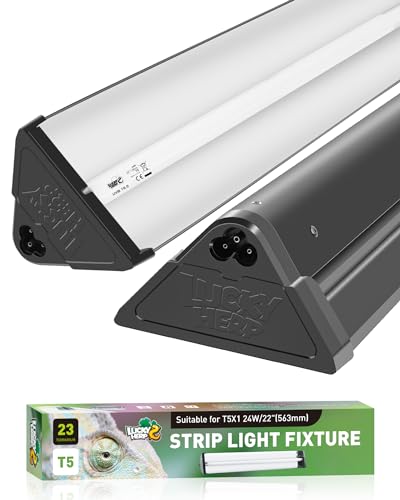
Reptile UVB + Basking Combo Light Kit
This all-in-one lighting solution provides critical UVB radiation and a necessary basking heat source. It streamlines enclosure setup by combining two essential elements into a single unit.

Leopard Gecko Starter Terrarium Kit
This comprehensive kit provides essential components for housing a new leopard gecko. It simplifies the initial setup process, making it ideal for first-time reptile owners.
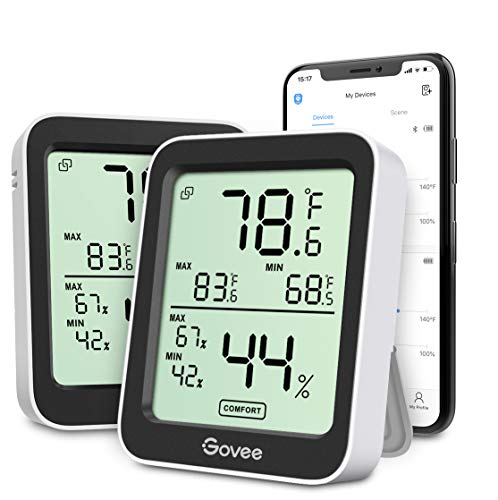
Digital Reptile Thermometer Hygrometer
Accurate environmental monitoring is crucial for reptile health, and this device provides precise temperature and humidity readings. Its dual functionality allows for comprehensive climate oversight within an enclosure.
Frequently Asked Questions
Leopard geckos and crested geckos are the easiest pet lizards to care for. Leopard geckos are ground-dwellers that eat simple insect diets and don't require UVB lighting. Crested geckos eat commercial powdered food mixed with water and don't need supplemental heating in most homes. Both are forgiving of beginner mistakes.
References & Sources
- https://reptifiles.com/lizard-care-sheets/
- https://www.thesprucepets.com/pet-lizards-1239181
- https://www.thesprucepets.com/types-of-reptile-pets-that-are-easy-for-kids-5199608
- https://www.thesprucepets.com/best-pet-reptiles-for-beginners-1237230
- https://www.petmd.com/reptile/care/evr_rp_5-best-reptiles-and-amphibians-kids
Related Articles

Best Large Pet Lizards: A Keeper's Guide (2026)
Thinking of getting a gentle giant? Our guide to the best large pet lizards covers top species like Tegus and Monitors, detailing their care, cost, and temperament for advanced keepers.

Best Pet Lizards for Handling: 5 Docile Species
Looking for a pet lizard you can actually hold? We review the best pet lizards for handling, from the gentle Bearded Dragon to the calm Leopard Gecko. Learn which species are naturally docile and how to handle them safely.

Best Pet Lizards for Kids: A Keeper's Guide (2026)
Looking for the perfect first reptile? We review the best pet lizards for kids, focusing on temperament, easy care, and handling to help you choose a fantastic family pet.