Best Monitor Lizard for Beginners: 4 Top Species Ranked
Looking for the best monitor lizard for beginners? We rank 4 top species by temperament, size, and care needs so you can pick the perfect one.


This article contains affiliate links. If you make a purchase through these links, we may earn a small commission at no extra cost to you. See our affiliate disclosure for details.
We recommend 5 picks here. Our top choice is the Deep Heat Projector for Reptiles — check price and availability below.
How we choose: we compare published specifications against the care requirements in veterinary and species-care literature, and weigh those against what long-time keepers report. We do not test products ourselves and we do not restate Amazon star ratings. The 5 sources behind this article are listed at the bottom.
Quick Comparison
- Primary Purpose
- Heating
- Measured/Output
- Infrared Heat
- Requires Controller/Care
- Thermostat
- Continuous Monitoring/Production
- Yes
- Estimated Price Range
- $30-60
- Primary Purpose
- Spot Measurement
- Measured/Output
- Surface Temperature
- Requires Controller/Care
- None
- Continuous Monitoring/Production
- No (Manual)
- Estimated Price Range
- $15-30
- Primary Purpose
- Nutrition
- Measured/Output
- Live Feeders
- Requires Controller/Care
- Colony Enclosure Care
- Continuous Monitoring/Production
- Yes (Colony)
- Estimated Price Range
- $20-50
- Primary Purpose
- Supplementation
- Measured/Output
- Calcium & D3
- Requires Controller/Care
- None
- Continuous Monitoring/Production
- N/A (Per Feeding)
- Estimated Price Range
- $10-20
- Primary Purpose
- Environmental Monitoring
- Measured/Output
- Ambient Temp & Humidity
- Requires Controller/Care
- None
- Continuous Monitoring/Production
- Yes
- Estimated Price Range
- $10-25
Prices are estimates only. Actual prices on Amazon may vary.
Monitor lizards are some of the most fascinating reptiles you can keep. They're intelligent, active, and surprisingly personable. But let's be honest — most species are huge, aggressive, or just too demanding for a first-time keeper.
The good news? A few monitors are actually beginner-friendly. You just need to know which ones to pick.
In this guide, I'll walk you through the best monitor lizard for beginners. We'll cover temperament, size, care needs, and what to realistically expect from each species.
If you're brand new to lizard keeping in general, start with our Best Pet Lizards for Beginners: 11 Species Ranked — it'll give you great context before you commit to a monitor.
What Makes a Good Beginner Monitor Lizard?
Not every monitor is created equal. Some grow to six feet and need an entire room. Others are naturally defensive and never fully calm down.
Here's what separates a beginner-friendly monitor from one that'll make your life miserable:
Manageable size — A monitor that tops out at 2–3 feet is much easier to house than a 6-foot Nile monitor. Smaller monitors need smaller enclosures, eat less, and are far easier to handle safely.
Tameable temperament — Some monitors settle down with regular handling. Others don't. For beginners, you want a species known for becoming handleable with consistent, patient socialization.
Forgiving care requirements — Advanced monitors need laser-precise temperatures, specialized diets, or massive enclosures from day one. Beginner-friendly species tolerate minor husbandry mistakes while you learn.
Captive-bred availability — You want a species that's readily available as captive-bred animals. Wild-caught monitors are stressed, often carry parasites, and are far harder to tame.
What to Look For
What you need to know
Manageable size (2–3 feet maximum) for reasonable enclosure needs
Tameable temperament that settles with consistent handling
Forgiving care requirements to tolerate beginner mistakes
Captive-bred availability for healthier, parasitic-free animals
Ackie Monitor Specs
Adult Size
24–28 inches
Minimum Enclosure
4 × 2 × 4 ft
Basking Temperature
150–170°F
Warm Side Ambient
85–95°F
Cool Side Ambient
75–80°F
Humidity
40–60%
Lifespan
15–20 years
Typical Price
$150–$400
Savannah Monitor Specs
Adult Size
3–4 feet
Minimum Enclosure
6 × 3 × 3 ft
Basking Temperature
130–150°F
Warm Side Ambient
85–95°F
Cool Side Ambient
75–80°F
Humidity
40–60%
Lifespan
10–15 years
Captive-Bred Price
$100–$300
Timor Monitor Specs
Adult Size
18–24 inches
Minimum Enclosure
3 × 2 × 4 ft (height-focused)
Basking Temperature
120–140°F
Warm Side Ambient
82–90°F
Cool Side Ambient
72–78°F
Humidity
50–70%
Lifespan
10–15 years
Typical Price
$150–$350
Detailed Reviews
1. Deep Heat Projector for Reptiles
Best Overall
Deep Heat Projector for Reptiles
Pros
- •Emits deep penetrating infrared A and B, mimicking natural sunlight for optimal thermoregulation.
- •Provides essential surface heat without emitting visible light, ideal for 24/7 use without disrupting sleep cycles.
- •Promotes proper digestion, immune system function, and overall well-being in reptiles.
- •More energy-efficient and durable than traditional incandescent basking bulbs.
Cons
- •Requires a separate thermostat for safe and accurate temperature regulation.
- •Does not significantly raise ambient air temperature, often necessitating additional heat sources.
- •Initial cost can be higher than standard incandescent basking lights.
Bottom Line
This specialized heating element provides crucial infrared-A and infrared-B radiation, essential for a monitor lizard's health and natural thermoregulation. Its ability to produce heat without visible light makes it a superior option for maintaining optimal basking temperatures day and night.
2. Infrared Temperature Gun
Editor's Choice
Infrared Temperature Gun
Pros
- •Provides instant, accurate surface temperature readings, crucial for precise basking spot verification.
- •Allows for quick and precise monitoring of multiple enclosure surfaces and gradients.
- •Non-contact measurement prevents stress to animals and avoids potential contamination.
- •Essential for verifying thermostat accuracy and the output of various heat sources.
Cons
- •Does not measure ambient air temperature or humidity levels.
- •Requires manual checks, not providing continuous monitoring.
- •Can represent an additional purchase for beginners setting up their first enclosure.
Bottom Line
An infrared temperature gun is an indispensable tool for accurately measuring the critical surface temperatures within a monitor lizard enclosure. It ensures that basking spots meet the precise thermal requirements for digestion and overall health, preventing husbandry-related issues.
3. Dubia Roach Feeder Colony Starter
Best Value
Dubia Roach Feeder Colony Starter
Pros
- •Provides a highly nutritious, protein-rich staple food source for growing monitor lizards.
- •Easy to gut-load, maximizing the nutritional transfer to the reptile being fed.
- •More durable, quiet, and less odorous than crickets, simplifying maintenance.
- •Establishing a colony offers significant long-term cost savings on feeder insects.
Cons
- •Requires initial setup and ongoing care for the colony, including feeding and cleaning.
- •The legality of keeping Dubia roaches may vary by state or region, requiring verification.
- •Some keepers may find handling and maintaining insect colonies unappealing.
Bottom Line
Dubia roaches are recognized as a superior feeder insect for monitor lizards due to their nutritional profile and ease of gut-loading. A starter colony provides a sustainable and cost-effective solution for a consistent supply of live food, promoting robust growth and health.
4. Reptile Calcium with Vitamin D3 Supplement
Editor's Choice
Reptile Calcium with Vitamin D3 Supplement
Pros
- •Prevents metabolic bone disease (MBD) by ensuring adequate dietary calcium intake.
- •Contains Vitamin D3, crucial for proper calcium absorption, especially without optimal UVB exposure.
- •Easy to apply by dusting feeder insects before offering them to the reptile.
- •Essential for promoting healthy bone growth and development, particularly in juvenile monitors.
Cons
- •Requires consistent and accurate application with nearly every feeding for juveniles.
- •Incorrect dosing can lead to hypercalcemia or Vitamin D3 toxicity.
- •Does not replace the need for appropriate UVB lighting where it is recommended for the species.
Bottom Line
This essential supplement delivers vital calcium and Vitamin D3, addressing dietary deficiencies common in captive reptiles and directly preventing metabolic bone disease. Regular application is critical for supporting strong bone development and overall health, particularly under artificial lighting conditions.
5. Digital Reptile Thermometer and Hygrometer
Budget Pick
Digital Reptile Thermometer and Hygrometer
Pros
- •Monitors both ambient temperature and humidity, crucial for species-specific husbandry requirements.
- •Digital display offers clear, easy-to-read measurements at a glance from outside the enclosure.
- •Often includes a probe for more accurate readings at specific points within the habitat.
- •Helps prevent respiratory infections and shedding issues caused by improper environmental conditions.
Cons
- •Typically does not provide surface temperatures, necessitating an additional infrared temperature gun.
- •Battery-operated units require periodic battery replacement.
- •Probe placement is critical for accurate readings, requiring careful setup and monitoring.
Bottom Line
This dual unit offers a convenient solution for simultaneously monitoring ambient temperature and humidity, two critical environmental parameters for monitor lizard health. Its clear digital display allows keepers to quickly assess conditions and make necessary adjustments to the enclosure.
The Best Monitor Lizard Species for Beginners
1. Ackie Monitor (Varanus acanthurus) — Our Top Pick
The Ackie monitor is the gold standard for beginner monitors. Full stop.
These compact Australian lizards max out at around 24–28 inches. That's small enough to house reasonably, but big enough to feel like a real monitor. They're active, curious, and with regular handling, they become genuinely tame companions.
Why Ackies are perfect for beginners:
- Small, manageable adult size
- Hardy and forgiving of minor husbandry mistakes
- Captive-bred individuals are widely available from reputable breeders
- Fascinating personalities — they explore constantly
- Can become quite tame with consistent handling
Ackie Monitor Quick-Care Table
| Care Element | Requirement |
|---|---|
| Adult size | 24–28 inches |
| Minimum enclosure (adult) | 4 x 2 x 4 ft |
| Basking surface temp | 150–170°F |
| Ambient warm side | 85–95°F |
| Ambient cool side | 75–80°F |
| Humidity | 40–60% |
| Diet | Insects, eggs, occasional small rodents |
| Lifespan | 15–20 years |
One thing that surprises new Ackie keepers: these lizards need extremely hot basking spots. Surface temperatures of 150–170°F are completely normal. Ackies come from the arid rocky regions of Australia where surfaces get scorching hot under the sun.
You'll need a quality [halogen basking bulb or deep heat projector](https://www.amazon.com/dp/B0C6XHFGZ5?tag=krawlo-20 to hit those temperatures. Don't skip this — proper heat is essential for digestion and immune function.
Ackies also love to dig. Provide a substrate layer at least 12 inches deep so they can burrow and thermoregulate naturally. A mix of topsoil and play sand works great.
According to ReptiFiles' Ackie monitor care guide, the minimum enclosure for a single adult is 4x2x4 feet — and bigger is always better.
(Estimates only — actual prices on Amazon may vary.) Captive-bred Ackie monitors typically sell for $150–$400 from reputable breeders. Always buy captive-bred — wild-caught Ackies are more defensive and much harder to settle.
Feeding your Ackie:
Ackies are primarily insectivores. Their diet should be built around:
- Dubia roaches (excellent staple feeder)
- Crickets and hornworms
- Silkworms (great for hydration)
- Hard-boiled or scrambled eggs
- Occasional pinky mice (treat, not staple)
Dust every feeding for juveniles, and every other feeding for adults, with a quality [calcium and vitamin D3 supplement](https://www.amazon.com/dp/B0B57KL69G?tag=krawlo-20
2. Savannah Monitor (Varanus exanthematicus)
The Savannah monitor is one of the most popular pet monitors in the world. They're widely available, relatively affordable, and many individuals become very handleable with patience.
That said, Savannahs grow larger than Ackies — 3–4 feet as adults — and need more space. They're best for beginners who are ready to commit to a bigger setup.
Why Savannahs work for dedicated beginners:
- Widely available, often captive-bred
- Large enough to feel impressive
- Can become very tame with consistent handling sessions
- Relatively hardy once properly established
Savannah Monitor Quick-Care Table
| Care Element | Requirement |
|---|---|
| Adult size | 3–4 feet |
| Minimum enclosure (adult) | 6 x 3 x 3 ft |
| Basking surface temp | 130–150°F |
| Ambient warm side | 85–95°F |
| Ambient cool side | 75–80°F |
| Humidity | 40–60% |
| Diet | Insects, snails, eggs, limited rodents |
| Lifespan | 10–15 years |
Here's the biggest mistake Savannah keepers make: feeding too many rodents. A mouse-heavy diet leads to obesity, fatty liver disease, and shortened lifespan. Wild Savannahs eat mostly invertebrates — snails, beetles, millipedes.
Feed yours primarily dubia roaches, snails, and eggs. Keep rodents as a rare treat.
According to The Spruce Pets' Savannah monitor guide, these lizards can live well over a decade in captivity when cared for properly. That's a serious long-term commitment — make sure you're ready.
One important warning: many Savannahs in pet stores are wild-caught from Africa. Wild-caught animals are often stressed and may carry parasites. Seek out captive-bred individuals from a reputable breeder whenever you can.
(Estimates only — actual prices on Amazon may vary.) Wild-caught Savannahs in pet stores often run $50–$150. Captive-bred individuals from breeders typically cost $100–$300 — worth the extra investment.
3. Timor Monitor (Varanus timorensis)
The Timor monitor is a hidden gem. These small arboreal monitors stay under 24 inches and are generally calmer than many other species. They're not as common as Ackies or Savannahs, but captive-bred individuals do appear through specialty reptile breeders.
Why Timor monitors stand out:
- Tiny adult size (18–24 inches) — great for limited spaces
- Naturally calmer than many monitor species
- Fascinating arboreal behavior — they love to climb
- Unique look that sets them apart from common beginner reptiles
Timor Monitor Quick-Care Table
| Care Element | Requirement |
|---|---|
| Adult size | 18–24 inches |
| Minimum enclosure | 3 x 2 x 4 ft (height matters!) |
| Basking surface temp | 120–140°F |
| Ambient warm side | 82–90°F |
| Ambient cool side | 72–78°F |
| Humidity | 50–70% |
| Diet | Insects, small prey items |
| Lifespan | 10–15 years |
Because Timors are arboreal, their enclosure needs height more than floor space. Load it with climbing branches, cork bark hides, and elevated basking spots. They don't spend much time on the ground.
Their diet is similar to Ackies — mainly insects with occasional small prey. Feed juveniles daily and adults every 2–3 days.
(Estimates only — actual prices on Amazon may vary.) Timor monitors are harder to source but worth the search. Expect to pay $150–$350 from a specialized breeder.
4. Argus Monitor (Varanus panoptes) — For the Ambitious Beginner
I'll be upfront: the Argus monitor is here with a caveat. These lizards can be incredible pets, but they're more challenging than the species above.
Argus monitors grow to 4–5 feet and have powerful tails they'll whip defensively when scared. They need very large enclosures and plenty of enrichment to thrive.
So why include them? Because Argus monitors that are well-socialized from a young age can become outstandingly tame and interactive. Some keepers even harness-train them for outdoor walks.
Argus Monitor Quick-Care Table
| Care Element | Requirement |
|---|---|
| Adult size | 4–5 feet |
| Minimum enclosure (adult) | 8 x 4 x 4 ft |
| Basking surface temp | 140–160°F |
| Ambient warm side | 88–95°F |
| Ambient cool side | 78–82°F |
| Humidity | 50–70% |
| Diet | Insects, eggs, rodents, fish |
| Lifespan | 15–20 years |
If you have the space, budget, and patience, an Argus can be an amazing companion. But if you've never kept a monitor before, start with an Ackie. Build your confidence and skills first, then consider an Argus as your second monitor.
Comparing Your Options Side by Side
| Species | Adult Size | Difficulty | Best For |
|---|---|---|---|
| Ackie Monitor | 24–28 in | Beginner | First-time monitor keepers |
| Timor Monitor | 18–24 in | Beginner | Keepers with limited space |
| Savannah Monitor | 3–4 ft | Beginner–Intermediate | Keepers ready for a larger species |
| Argus Monitor | 4–5 ft | Intermediate | Keepers with prior monitor experience |
For most beginners, the Ackie monitor is our top pick. It's small, manageable, incredibly active, and full of personality.
Key Care Tips That Apply to All Beginner Monitors
Get your heating right first
Monitors need high basking temperatures — higher than most people expect. A cheap light bulb usually isn't enough. Use a halogen flood bulb or a [deep heat projector](https://www.amazon.com/dp/B0C44VQ3LV?tag=krawlo-20 to hit proper surface temps.
Always verify temperatures with an [infrared temperature gun](https://www.amazon.com/dp/B0B71HFH9K?tag=krawlo-20 Guessing gets monitors killed. Thermometers that read air temperature won't give you surface readings — you need a temp gun.
Feed insects first, rodents rarely
It's tempting to rely on mice — they're convenient to buy frozen. But most beginner monitors are primarily insectivores. A bug-based diet keeps them leaner, healthier, and living longer.
Consider starting a small dubia roach colony. It's cheaper long-term and gives you a reliable feeder supply.
Handle consistently from a young age
The key to a tame monitor is regular, patient handling from when they're young. Start with short 5–10 minute sessions and work up as your lizard relaxes.
Never approach from above. Monitors instinctively read that as a predator attack. Come from the side, move slowly, and let them walk onto your hand rather than grabbing them.
Plan for adult enclosure size from the start
Don't buy the minimum enclosure size. Monitors are active, intelligent animals that need room to explore and thermoregulate properly. Build or buy the biggest setup you can reasonably afford — your monitor will be calmer and healthier for it.
For more large lizard options to compare before you decide, our Best Big Lizard Pets: A Keeper's Guide covers several more species worth considering.
Where to Buy Your First Monitor
Always buy captive-bred when possible. Wild-caught monitors arrive stressed, often carry parasites, and are much harder to tame. For vetted sources, check our guide on the Best Place to Buy Lizards Online.
A reputable breeder will:
- Confirm the animal is captive-bred and tell you where it hatched
- Provide feeding history and health records
- Answer your care questions honestly — even the uncomfortable ones
- Not pressure you into an impulse purchase
Reptile expos run by local herpetological societies are also excellent places to meet breeders face-to-face and see animals before committing.
Final Thoughts
Monitor lizards aren't the easiest reptiles on the planet — but the right species, set up properly, can be one of the most rewarding animals you'll ever keep.
For beginners, the Ackie monitor stands above the rest. It's compact, manageable, and endlessly fascinating to watch. Savannah and Timor monitors are solid runners-up, especially when you source captive-bred animals and do your homework on care.
Whatever species you choose, learn the care requirements before the animal comes home. These are intelligent, long-lived creatures that deserve proper husbandry — and when you give it to them, they'll reward you with years of incredible behavior.
Our Final Verdict
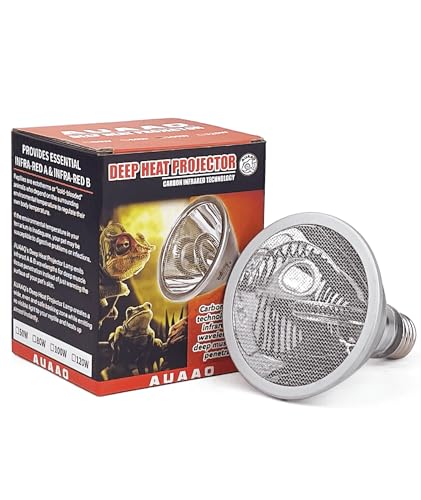
Deep Heat Projector for Reptiles
This specialized heating element provides crucial infrared-A and infrared-B radiation, essential for a monitor lizard's health and natural thermoregulation. Its ability to produce heat without visible light makes it a superior option for maintaining optimal basking temperatures day and night.

Infrared Temperature Gun
An infrared temperature gun is an indispensable tool for accurately measuring the critical surface temperatures within a monitor lizard enclosure. It ensures that basking spots meet the precise thermal requirements for digestion and overall health, preventing husbandry-related issues.

Dubia Roach Feeder Colony Starter
Dubia roaches are recognized as a superior feeder insect for monitor lizards due to their nutritional profile and ease of gut-loading. A starter colony provides a sustainable and cost-effective solution for a consistent supply of live food, promoting robust growth and health.
Frequently Asked Questions
The Ackie monitor (Varanus acanthurus) is widely considered the easiest monitor lizard to keep. It stays small (24–28 inches), tolerates minor husbandry imperfections better than most monitors, and can become quite tame with regular handling. It's the top recommendation for first-time monitor owners.
References & Sources
- https://reptifiles.com/ackie-monitor-care/
- https://reptifiles.com/ackie-monitor-care/how-to-select-buy-ackie-monitor/
- https://reptifiles.com/advice-best-reptiles-for-beginners/
- https://reptifiles.com/ackie-monitor-care/ackie-monitor-enclosure-size-requirements/
- https://www.thesprucepets.com/savannah-monitors-1239214
Related Articles

Best Ackie Monitor Starter Kit for Beginners
Get the best Ackie monitor starter kit for a happy and healthy pet. Learn what to include and how to set up the perfect enclosure for your Ackie monitor.

Best Turtles for Beginners: 4 Top Picks for New Keepers
Looking for the best turtles for beginners? Our guide ranks the top 4 easiest species, covering their size, care, and the essential gear you'll need to start.

Best Gecko for Beginners: A Keeper's Top 5 Picks
Looking for the best gecko for beginners? Our expert guide ranks the top 5 species by handling, care, and cost to help you choose the perfect reptilian pet.