Best Lizards: Our Top 5 Picks for Pet Keepers in 2026
Searching for the best lizards to keep as pets? Our expert guide ranks the top 5 species for beginners and experienced keepers, covering care, temperament, and cost.


This article contains affiliate links. If you make a purchase through these links, we may earn a small commission at no extra cost to you. See our affiliate disclosure for details.
We recommend 4 picks here. Our top choice is the Zoo Med Digital Thermometer Hygrometer — check price and availability below.
How we choose: we compare published specifications against the care requirements in veterinary and species-care literature, and weigh those against what long-time keepers report. We do not test products ourselves and we do not restate Amazon star ratings. The 6 sources behind this article are listed at the bottom.
Quick Comparison
- Primary Utility
- Environmental Monitoring
- Power/Energy Requirement
- Battery Powered (AAA/AA)
- Data Output
- Digital Temp & Humidity
- Target User/Pet Type
- All Reptile Keepers
- Primary Utility
- Nutritional Supplementation
- Power/Energy Requirement
- None (Dusting Powder)
- Data Output
- None (Preventative)
- Target User/Pet Type
- All Reptile Keepers
- Primary Utility
- Heat & UV Light Provision
- Power/Energy Requirement
- 100W Electrical
- Data Output
- None (Output Light/Heat)
- Target User/Pet Type
- Diurnal Basking Lizards
- Primary Utility
- Enclosure Security
- Power/Energy Requirement
- None (Mechanical Lock)
- Data Output
- Visual Lock Status
- Target User/Pet Type
- Keepers of Active Lizards
Prices are estimates only. Actual prices on Amazon may vary.
Choosing your first or next lizard can feel like a huge decision. With so many incredible species out there, how do you find the perfect one for your home and lifestyle? The term "best" is subjective, but when we talk about the best lizards for pets, we're usually looking for a combination of a calm temperament, manageable care requirements, and hardiness in a captive environment.
You want a reptile that you can connect with, one that thrives under your care without needing a zoo-level budget or a degree in veterinary medicine. Whether you're a first-time owner or an experienced keeper looking for a new companion, this guide is for you. We'll break down the top 5 lizards that consistently win the hearts of reptile enthusiasts everywhere.
Our selections are based on years of collective keeping experience and research, focusing on animals that are rewarding to keep. If you're just starting your journey, you might also want to check out our complete guide to the Best Lizards for Beginners: Top 5 Easy Pet Reptiles for a more focused look at entry-level species.
What Makes a Great Pet Lizard?
Before we jump into our top picks, let's define our criteria. What transforms a lizard from just a wild animal into a fantastic pet? It's more than just a cool appearance.
Temperament: A good pet lizard is generally docile and tolerant of handling. While all reptiles can be stressed by excessive interaction, some species are naturally more placid and even seem to enjoy gentle handling. This is a key factor, especially if you're looking for an interactive pet.
Care Level: The best lizards for most people have straightforward husbandry. This means their temperature, humidity, and dietary needs are easy to meet with readily available equipment and food. We're looking for resilient species that aren't overly sensitive to minor fluctuations in their environment.
Size: A massive lizard might look impressive, but it requires a massive and expensive enclosure. Our list focuses on small- to medium-sized lizards that can be comfortably housed in a reasonably sized terrarium, making them suitable for most homes.
Availability: The lizards on our list are well-established in the pet trade and are commonly available as captive-bred individuals. Captive-bred animals are healthier, more accustomed to human interaction, and their purchase doesn't impact wild populations.
With these criteria in mind, let's meet our top five best lizards for pet keepers.
What Makes a Great Pet Lizard?
What you need to know
Temperament: Docile and tolerant of handling for safe interaction
Care Level: Straightforward husbandry with readily available equipment
Size: Small- to medium-sized for reasonable enclosures
Availability: Well-established in pet trade, captive-bred animals only
Leopard Gecko Ownership Costs
What to budget for
Bearded Dragon Ownership Costs
What to budget for
Detailed Reviews
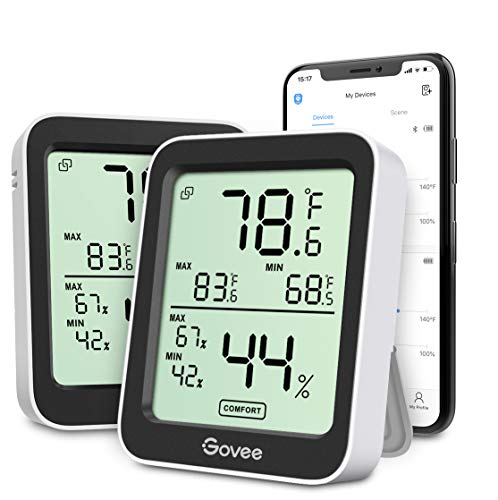
1. Zoo Med Digital Thermometer Hygrometer
Best Overall
Zoo Med Digital Thermometer Hygrometer
Pros
- •Provides real-time, accurate temperature readings.
- •Monitors crucial humidity levels to prevent respiratory issues.
- •Digital display offers clear, easy-to-read data for quick assessment.
- •Supports precise environmental control essential for optimal reptile health.
Cons
- •May require periodic calibration for long-term accuracy.
- •Batteries need replacement, adding a recurring maintenance task.
- •Placement can be critical for obtaining representative readings across the enclosure.
Bottom Line
This digital device is fundamental for maintaining the precise environmental conditions required for reptile health. It provides keepers with immediate feedback on temperature and humidity, crucial for preventing stress and common ailments.
2. Rep-Cal Calcium with D3 Supplement
Editor's Choice
Rep-Cal Calcium with D3 Supplement
Pros
- •Delivers essential calcium for strong bone health and metabolic processes.
- •Includes Vitamin D3 for efficient calcium absorption and utilization.
- •Fine powder form allows for easy dusting of feeder insects or vegetables.
- •Crucial for preventing debilitating Metabolic Bone Disease in captive reptiles.
Cons
- •Requires consistent application with every feeding for optimal efficacy.
- •Over-supplementation can lead to other health issues if not carefully managed.
- •Specific dosage varies by species and diet, necessitating keeper research and adherence.
Bottom Line
This supplement is a cornerstone of reptile nutrition, providing the vital calcium and Vitamin D3 necessary for strong bones and proper metabolic function. Its regular application is key to preventing severe deficiency diseases in captive lizards.
3. REPTI ZOO 100W UVA UVB Basking Heat Lamp
Premium Pick
REPTI ZOO 100W UVA UVB Basking Heat Lamp
Pros
- •Emits both UVA for psychological well-being and UVB for D3 synthesis.
- •Provides essential basking heat for thermoregulation and digestion.
- •100W output is suitable for a range of enclosure sizes and basking spot temperatures.
- •Supports proper metabolism and overall health in diurnal species requiring full-spectrum light.
Cons
- •Requires replacement every 6-12 months as UVB output degrades over time.
- •Generates significant heat, which must be carefully monitored to prevent burns or overheating.
- •Not suitable for nocturnal species that do not require UVB or high basking temperatures.
Bottom Line
This all-in-one bulb delivers critical UVA and UVB radiation along with essential basking heat, mimicking natural sunlight. It is indispensable for the health and vitality of diurnal, basking reptile species.
4. Zilla Terrarium Lock
Budget Pick
Zilla Terrarium Lock
Pros
- •Effectively secures terrarium sliding doors against accidental escapes.
- •Simple installation and operation allow for immediate security.
- •Durable metal construction provides resistance to tampering and wear.
- •Affordable solution for providing peace of mind regarding pet safety.
Cons
- •May not be universally compatible with all terrarium frame designs.
- •Requires manual locking and unlocking, not an automated system.
- •Can be misplaced if not attached securely when the enclosure is open.
Bottom Line
This basic yet effective terrarium lock offers a reliable safeguard against escapes, keeping active reptiles securely contained. It is an essential, low-cost accessory for preventing loss and ensuring pet safety.
1. Leopard Gecko (Eublepharis macularius)
It's impossible to talk about the best pet lizards without putting the Leopard Gecko at the top of the list. These charming, smiley-faced geckos from the deserts of Asia and the Middle East are arguably the most popular pet lizard in the world, and for good reason.
Temperament and Handling
Leopard Geckos are renowned for their docile and inquisitive nature. They are slow-moving, rarely bite, and typically become very comfortable with gentle handling. Their small size and calm demeanor make them an excellent choice for new keepers and even responsible older children. For more ideas on family-friendly reptiles, see our guide to the Best Pet Lizards for Kids: A Keeper's Guide (2026).
Enclosure and Care
As a terrestrial, nocturnal species, their care is relatively simple. They don't require the intense UVB lighting that many other lizards need, though a low-level UVB source is still beneficial for their overall health. A 20-gallon tank is a great starting size for a single adult.
Here’s a quick-glance care table:
| Parameter | Requirement |
|---|---|
| Enclosure Size (Min) | 20-gallon long |
| Temperature (Hot Spot) | 88-92°F (31-33°C) |
| Temperature (Cool Side) | 75°F (24°C) |
| Humidity | 30-40% (with a humid hide) |
| Substrate | Paper towels, slate tile, or [reptile carpet](https://www.amazon.com/dp/B09FWYM772?tag=krawlo-20 |
| Lighting | Low-wattage heat lamp or [heat mat](https://www.amazon.com/dp/B08C98KNWR?tag=krawlo-20 with thermostat |
Diet
Leopard Geckos are insectivores. Their diet should consist of a variety of gut-loaded insects like crickets, mealworms, and dubia roaches. You'll need to dust their food with a calcium with D3 supplement a few times a week to prevent Metabolic Bone Disease (MBD).
(Estimates only — actual prices on Amazon may vary.) Initial setup costs for a Leopard Gecko, including the tank, heating, and decor, can range from $200 to $400. The gecko itself typically costs between $40 and $100, depending on the morph (color pattern).
2. Bearded Dragon (Pogona vitticeps)
If you want a lizard with personality plus, look no further than the Bearded Dragon. These Australian natives are one of the most engaging and interactive reptiles you can own. They are curious, expressive, and often form strong bonds with their owners.
Temperament and Handling
Bearded Dragons are widely considered one of the best lizards for handling. They are generally calm, tolerant, and seem to enjoy time outside their enclosure, whether it's exploring a room (under supervision!) or just hanging out on your shoulder. Their calm nature makes them a top choice for anyone wanting a truly interactive reptile friend.
Enclosure and Care
Beardies have more complex needs than Leopard Geckos, primarily regarding lighting. As diurnal (day-active) desert dwellers, they require high-output [UVA/UVB basking bulbs](https://www.amazon.com/dp/B0B55TLWFD?tag=krawlo-20 to properly digest their food and synthesize vitamin D3. A single adult needs a minimum of a 40-gallon breeder tank, though a larger 75-gallon or 4'x2'x2' enclosure is highly recommended.
| Parameter | Requirement |
|---|---|
| Enclosure Size (Min) | 40-gallon breeder (75+ gallon preferred) |
| Temperature (Basking Spot) | 100-110°F (38-43°C) |
| Temperature (Cool Side) | 75-80°F (24-27°C) |
| Humidity | 30-40% |
| Substrate | Slate tile, non-adhesive shelf liner, or bioactive mix |
| Lighting | High-output UVB tube light and a separate basking bulb |
Diet
Bearded Dragons are omnivores. Juveniles eat a diet of about 80% insects and 20% greens. As they mature, this ratio flips. Adults should eat a diet of about 80% fresh greens (like collard greens, mustard greens, and bok choy) and 20% insects. This varied diet makes feeding them an interesting and enriching experience.
(Estimates only — actual prices on Amazon may vary.) The initial investment for a Bearded Dragon is higher, usually between $400 and $600, mainly due to the larger enclosure and more expensive lighting requirements. The lizard itself can cost anywhere from $60 to $200+.
3. Blue-Tongued Skink (Tiliqua scincoides)
For those who appreciate a lizard that is both unique and exceptionally docile, the Blue-Tongued Skink is an outstanding choice. These heavy-bodied, short-legged lizards from Australia are known for their intelligence and remarkably calm demeanor, making them one of the Best Pet Lizards for Handling: 5 Docile Species.
Temperament and Handling
Blue-Tongued Skinks are one of the most handleable lizards you can find. They are slow, deliberate, and rarely show aggression, preferring to bluff with their startling, cobalt-blue tongue. They become quite tame with regular, gentle interaction and are a fantastic choice for an owner who wants a 'lap lizard'.
Enclosure and Care
As large, terrestrial lizards, they need a good amount of floor space. A front-opening 4'x2'x2' enclosure is the ideal home for an adult. They are burrowers, so they appreciate a deep layer of substrate they can dig into.
| Parameter | Requirement |
|---|---|
| Enclosure Size (Min) | 40-gallon breeder (4'x2'x2' preferred) |
| Temperature (Basking Spot) | 95-105°F (35-40°C) |
| Temperature (Cool Side) | 75-80°F (24-27°C) |
| Humidity | 40-60% (depending on subspecies) |
| Substrate | Cypress mulch, coconut husk, or a deep bioactive mix |
| Lighting | Full-spectrum UVB lighting and a basking bulb |
Diet
Like Bearded Dragons, Blue-Tongued Skinks are omnivores. A healthy diet consists of about 50% protein (high-quality, low-fat canned dog food, dubia roaches, hornworms), 40% greens and vegetables, and 10% fruit. This varied diet is easy to provide and helps keep them healthy and engaged.
(Estimates only — actual prices on Amazon may vary.) The setup cost is similar to a Bearded Dragon, around $400-$600, due to the need for a large enclosure and proper lighting. The skinks themselves are more of an investment, typically ranging from $200 to $500 depending on the subspecies and breeder.
4. Crested Gecko (Correlophus ciliatus)
The Crested Gecko is another contender for the best lizard for beginners, especially for those who want an arboreal (tree-dwelling) species. Hailing from New Caledonia, these geckos were once thought to be extinct but are now thriving in the pet trade. They are known for their 'eyelashes,' prehensile tails, and incredible jumping ability.
Temperament and Handling
Crested Geckos are generally docile, though they are much more prone to jumping than a Leopard Gecko. This 'hand-to-hand walking' or 'treadmilling' is a common behavior. They are not aggressive but can be a bit flighty, making them better for observation and gentle handling rather than extensive cuddling.
Enclosure and Care
Being arboreal, Cresties need a vertically-oriented enclosure filled with branches, vines, and foliage for climbing. One of their biggest advantages is their tolerance for room temperature; in many homes, they don't require supplemental heating. A 18"x18"x24" glass terrarium is perfect for an adult.
| Parameter | Requirement |
|---|---|
| Enclosure Size (Min) | 12"x12"x18" (18"x18"x24" preferred) |
| Temperature | 72-78°F (22-26°C) - standard room temperature |
| Humidity | 60-80% (mist daily) |
| Substrate | Coconut fiber, sphagnum moss, or bioactive mix |
| Lighting | No special lighting required, but low-level UVB is beneficial |
Diet
Diet is another area where Crested Geckos shine in their simplicity. They thrive on commercially available powdered gecko diets that you mix with water to form a paste. This complete nutrition means you don't have to deal with live insects if you don't want to, though they will certainly enjoy them as an occasional treat.
(Estimates only — actual prices on Amazon may vary.) Crested Geckos are very affordable to set up, often costing just $150-$300 for a complete habitat. The geckos themselves are also inexpensive, usually between $50 and $150.
5. African Fat-Tailed Gecko (Hemitheconyx caudicinctus)
Often described as the Leopard Gecko's close cousin, the African Fat-Tailed Gecko is a wonderful, underrated species from West Africa. They share many of the Leo's best qualities but come in a slightly different package, with a more robust body and a calm, shy personality.
Temperament and Handling
Fat-Tailed Geckos are exceptionally mellow. They are slower-moving and more terrestrial than Leopard Geckos and are known for being very reluctant to bite. They can be a bit shy initially but become very handleable with patience. Their namesake plump tail is used for fat storage, similar to a Leopard Gecko.
Enclosure and Care
Their care is almost identical to that of a Leopard Gecko, with one key difference: they require higher humidity. A 20-gallon long tank is sufficient for a single adult. You'll need to pay closer attention to misting and maintaining a humid hide to ensure they can shed properly.
| Parameter | Requirement |
|---|---|
| Enclosure Size (Min) | 20-gallon long |
| Temperature (Hot Spot) | 88-90°F (31-32°C) |
| Temperature (Cool Side) | 75°F (24°C) |
| Humidity | 50-60% |
| Substrate | Coconut fiber or cypress mulch to help hold humidity |
| Lighting | Heat mat with a thermostat is ideal |
Diet
They are insectivores, just like their cousins. A diet of gut-loaded crickets, dubia roaches, and mealworms works perfectly. You must supplement their food with calcium and vitamins to ensure they remain healthy.
(Estimates only — actual prices on Amazon may vary.) The cost of setting up an African Fat-Tailed Gecko is very similar to a Leopard Gecko, running from $200 to $400. The geckos themselves can be a bit more expensive, often from $80 to $250, especially for less common color morphs.
Where Can I Find the Right Lizard?
Once you've decided on one of these best lizards, the next step is finding a healthy animal. Where you get your lizard from is just as important as the species you choose.
- Reputable Breeders: This is often the best option. Breeders specialize in specific species and can provide healthy, captive-bred animals with known genetic histories. You can find them online through forums or at reptile expos.
- Reptile Expos and Shows: These events gather numerous breeders under one roof, allowing you to see the animals firsthand and speak directly with the people who raised them.
- Reptile Rescues: Consider adopting! Many wonderful lizards end up in rescues through no fault of their own. Adopting a reptile can be an incredibly rewarding experience.
- Pet Stores: Be cautious. While some specialty reptile stores are excellent, large chain stores can be a mixed bag. Animals may be stressed or ill due to improper care or housing. Always assess the store's conditions and the animal's health before purchasing.
The Final Verdict
So, which lizard is truly the best? The answer depends entirely on you.
If you want a simple, handleable, and low-maintenance pet, the Leopard Gecko or African Fat-Tailed Gecko is an unbeatable choice.
If an interactive, personable lizard with a bit more 'wow' factor is what you're after, the Bearded Dragon is your perfect match.
For a uniquely intelligent and incredibly docile companion, the Blue-Tongued Skink is worth the investment.
And if you love the idea of a low-maintenance, tree-dwelling jewel, the Crested Gecko is calling your name.
No matter which you choose, you're embarking on a rewarding journey. These animals are fascinating, beautiful, and can provide many years of companionship when given the right care.
Our Final Verdict
Zoo Med Digital Thermometer Hygrometer
This digital device is fundamental for maintaining the precise environmental conditions required for reptile health. It provides keepers with immediate feedback on temperature and humidity, crucial for preventing stress and common ailments.
Rep-Cal Calcium with D3 Supplement
This supplement is a cornerstone of reptile nutrition, providing the vital calcium and Vitamin D3 necessary for strong bones and proper metabolic function. Its regular application is key to preventing severe deficiency diseases in captive lizards.
REPTI ZOO 100W UVA UVB Basking Heat Lamp
This all-in-one bulb delivers critical UVA and UVB radiation along with essential basking heat, mimicking natural sunlight. It is indispensable for the health and vitality of diurnal, basking reptile species.
Frequently Asked Questions
The Crested Gecko is often considered the most low-maintenance pet lizard. They can thrive at room temperature without special heating and eat a pre-packaged powdered diet, eliminating the need for live insects.
References & Sources
- https://reptifiles.com/lizard-care-sheets/
- https://www.thesprucepets.com/pet-lizards-1239181
- https://www.thesprucepets.com/types-of-reptile-pets-that-are-easy-for-kids-5199608
- https://www.petmd.com/reptile/care/evr_rp_5-best-reptiles-and-amphibians-kids
- https://www.thesprucepets.com/cute-reptiles-4164697
- https://reptifiles.com/wp-content/uploads/2020/10/Sudan-Plated-Lizard-Care-Sheet-PDF.pdf
Related Articles

Best Place to Buy Lizards Online: 7 Top Sites (2026)
Looking for the best place to buy lizards online? We review the top 7 reptile sellers — what they offer, what to avoid, and how to find a healthy animal.

Best Lizards for Handling: Our Top 5 Docile Reptiles
Looking for a pet lizard that enjoys interaction? We break down the best lizards for handling, from the classic bearded dragon to the gentle leopard gecko.

Best Large Pet Lizards: A Keeper's Guide (2026)
Thinking of getting a gentle giant? Our guide to the best large pet lizards covers top species like Tegus and Monitors, detailing their care, cost, and temperament for advanced keepers.