Best First Pet Snake: A Keeper's Guide to 5 Great Choices
Ready for your first snake? Our expert guide reveals the 5 best first pet snake species, ranking them on temperament, care, and size to help you choose the perfect beginner reptile.


This article contains affiliate links. If you make a purchase through these links, we may earn a small commission at no extra cost to you. See our affiliate disclosure for details.
We recommend 4 picks here. Our top choice is the Jumpstart Digital Thermostat — check price and availability below.
How we choose: we compare published specifications against the care requirements in veterinary and species-care literature, and weigh those against what long-time keepers report. We do not test products ourselves and we do not restate Amazon star ratings. The 6 sources behind this article are listed at the bottom.
Quick Comparison
- Primary Function
- Temperature Control
- Digital Interface
- Yes (Display)
- Generates Heat
- No (Controls Heat)
- Includes Enclosure
- No
- Primary Function
- Belly Heating
- Digital Interface
- No
- Generates Heat
- Yes
- Includes Enclosure
- No
- Primary Function
- Environmental Monitoring
- Digital Interface
- Yes (Display)
- Generates Heat
- No
- Includes Enclosure
- No
- Primary Function
- Basic Enclosure Setup
- Digital Interface
- No
- Generates Heat
- No
- Includes Enclosure
- Yes
Prices are estimates only. Actual prices on Amazon may vary.
Choosing your first pet snake is an incredibly exciting step into the world of reptile keeping. The image of a sleek, curious creature exploring its habitat is captivating. But with so many species available, the question quickly becomes: what is the best first pet snake for a beginner? It's a journey we're excited to guide you on.
A great beginner snake isn't just about looks; it's about a combination of factors that create a positive, rewarding first experience for you as a keeper. The goal is to find a pet that is not only interesting but also forgiving as you learn the ropes of reptile husbandry. This guide will walk you through the key traits to look for and introduce you to our top 5 picks for the best beginner snakes.
What Makes a Great First Pet Snake?
Before we dive into specific species, let's define what makes a snake a good choice for someone new to the hobby. These are the four pillars of a fantastic starter snake: a calm demeanor, manageable size, simple care needs, and a reliable feeding response. Getting a snake that ticks these boxes will make your entry into snake ownership much smoother and more enjoyable.
Temperament
A snake's personality is paramount. The best beginner snakes are generally docile, slow-moving, and tolerant of regular, gentle handling. A snake that is naturally defensive, prone to striking, or extremely fast can be stressful for a new owner to manage. You want a companion you can interact with confidently, not one that causes you anxiety.
Hardiness
As a new keeper, you're bound to make a few small mistakes. Maybe the humidity drops a little low, or the temperature fluctuates slightly. A hardy snake is one that is resilient and can tolerate minor, short-term imperfections in its environment without developing health problems. This forgiving nature is a safety net that gives you time to learn and perfect your husbandry skills.
Size
A giant snake might seem impressive, but it's not practical for a beginner. The ideal first pet snake has a manageable adult size, typically under 6 feet. This ensures that handling is safe and easy for one person and that its enclosure won't take over an entire room. Housing and feeding a large constrictor is a major commitment that requires experience.
Feeding Response
There's nothing more stressful for a new snake owner than a pet that refuses to eat. The best first pet snake candidates are those known for having a strong, reliable feeding response. They eagerly accept appropriately-sized frozen/thawed (f/t) prey, which is the safest, most humane, and most convenient food source. Avoiding species known for being picky eaters will save you a lot of worry.
4 Pillars of a Great Beginner Snake
What you need to know
Temperament: Choose calm, docile snakes that tolerate gentle handling
Hardiness: Prioritize species resilient to minor care mistakes
Size: Select snakes under 6 feet for safe, manageable handling
Feeding Response: Pick species known for eager, reliable eating habits
Top Pick Comparison: Corn Snake vs Ball Python
Side-by-side comparison
| Feature | Corn Snake | Ball Python |
|---|---|---|
| Adult Size | 3-5 feet | 3-5 feet |
| Temperament | ★Docile, reluctant to bite | Shy, defensive (curls into ball) |
| Hardiness | ★Very forgiving for beginners | Hardy but prone to fasting periods |
| Humidity Requirements | ★40-50% | 55-65% (higher maintenance) |
| Feeding Response | ★Excellent—almost always eat | Good but may refuse food occasionally |
Our Take: Corn snakes offer simpler, more forgiving care for absolute beginners; ball pythons suit keepers prepared for humidity management and feeding challenges.
Detailed Reviews
1. Jumpstart Digital Thermostat
Best Overall
Jumpstart Digital Thermostat
Pros
- •Prevents accidental burns by precisely regulating heating elements.
- •Ensures consistent and stable enclosure temperatures, crucial for snake metabolism.
- •Digital display offers accurate and easy-to-read temperature monitoring.
- •Essential for mitigating common beginner husbandry mistakes related to heating.
Cons
- •Requires a separate heating element; does not generate heat itself.
- •Additional cost beyond the heating device it controls.
- •May require calibration for optimal accuracy over time.
Bottom Line
This digital thermostat is a crucial safety device for any reptile enclosure, ensuring precise temperature regulation to prevent overheating. It actively maintains a stable environment, which is vital for the health and well-being of pet snakes.
2. Zoo Med ReptiTherm Under Tank Heater
Editor's Choice
Zoo Med ReptiTherm Under Tank Heater
Pros
- •Provides crucial belly heat necessary for snake digestion.
- •Easy to install beneath the enclosure, saving internal space.
- •Suitable for a wide range of popular beginner snake species.
- •Promotes natural burrowing and basking behaviors.
Cons
- •Must be used with a thermostat to prevent overheating and burns.
- •May not be sufficient as a sole heat source in cooler environments or for larger enclosures.
- •Adhesive can lose effectiveness if repositioned.
Bottom Line
This under tank heater delivers essential belly heat, critical for the digestive processes of many beginner snake species. It provides a consistent warm spot in the enclosure, promoting healthy thermoregulation.
3. Accurite Digital Thermometer/Hygrometer
Best Value
Accurite Digital Thermometer/Hygrometer
Pros
- •Provides accurate, simultaneous readings for both temperature and humidity.
- •More reliable and precise than traditional analog gauges.
- •Helps new keepers monitor crucial environmental parameters for health.
- •Often features minimum/maximum memory functions for tracking fluctuations.
Cons
- •Requires periodic battery replacement for continuous operation.
- •Sensor placement is critical for accurate readings, requiring careful positioning.
- •Some models may have less durable probes for long-term use.
Bottom Line
This digital device provides accurate, real-time readings of both temperature and humidity within the snake's enclosure. Its reliability is essential for new keepers to maintain optimal environmental conditions, preventing health issues.
4. Exo Terra Snake Starter Kit
Budget Pick
Exo Terra Snake Starter Kit
Pros
- •Simplifies initial setup by bundling essential components.
- •Ensures basic needs like enclosure, hide, and water are met from day one.
- •Reduces the complexity and decision-making for first-time keepers.
- •Can be a cost-effective way to acquire multiple items.
Cons
- •Components often require upgrading as the snake grows or for optimal husbandry.
- •May not include critical heating and monitoring equipment (thermostat, thermometer/hygrometer).
- •Limited customization options compared to building a setup piece by piece.
- •Enclosure size might be temporary for growing snakes.
Bottom Line
This starter kit offers a convenient all-in-one solution for setting up a basic snake enclosure, including an appropriate tank, hide, and water bowl. It streamlines the initial setup process for new owners, providing immediate essentials.
Top 5 Picks for the Best First Pet Snake
Now for the fun part! Based on the criteria above, we've ranked the top species that consistently make wonderful pets for first-time owners. Each of these snakes has a proven track record as a fantastic introduction to the hobby.
1. Corn Snake (Pantherophis guttatus)
It's no surprise that the Corn Snake is at the top of our list. For decades, this species has been the quintessential beginner snake, and for good reason. They are the total package: docile, incredibly hardy, and they stay at a very manageable size. They rarely exceed 5 feet, but most are in the 3-4 foot range. Corn snakes are reluctant to bite and generally have a calm, curious nature.
One of their biggest draws is the staggering variety of colors and patterns, known as 'morphs'. From the classic orange and red to patterns featuring pinks, grays, and blacks, you can find a corn snake that fits your exact aesthetic. Their care is straightforward, making them a truly excellent choice for the best first pet snake.
| Husbandry Parameter | Recommendation | Notes |
|---|---|---|
| Enclosure Size (Adult) | 20-40 Gallon Tank or equivalent | Provides ample space for movement. |
| Temperature (Warm Side) | 85°F (29°C) | Use an under-tank heater controlled by a [thermostat](https://www.amazon.com/dp/B01I15S6OM?tag=krawlo-20 |
| Temperature (Cool Side) | 75°F (24°C) | Essential for thermoregulation. |
| Humidity | 40-50% | A light misting may be needed during shed. |
Feeding a corn snake is as easy as it gets. They are fantastic eaters, almost always accepting frozen/thawed mice from tongs. A baby corn snake will eat a pinkie mouse every 5-7 days, while an adult will take an adult mouse every 10-14 days. Their enthusiasm for food is very reassuring for a new keeper.
2. Ball Python (Python regius)
If the Corn Snake is the classic choice, the Ball Python is the wildly popular modern favorite. These African snakes are famous for their shy, gentle disposition. Their first line of defense is to curl into a tight, protected ball with their head in the center—hence the name. They are slow-moving and stout-bodied, making them feel very substantial and calm in your hands.
Like Corn Snakes, Ball Pythons come in thousands of incredible morphs, from simple patterns to breathtaking designer combinations that can cost thousands. They are undeniably one of the most popular pet snakes in the world. However, they have a couple of quirks that place them just behind the corn snake on our list for absolute beginners. They require higher humidity than corn snakes and are known to sometimes go on fasting periods, which can be nerve-wracking if you're not expecting it.
| Husbandry Parameter | Recommendation | Notes |
|---|---|---|
| Enclosure Size (Adult) | 40 Gallon Tank or 4'x2'x2' PVC enclosure | Floor space is more important than height. |
| Temperature (Warm Side) | 88-92°F (31-33°C) | A warm basking spot is crucial for digestion. |
| Temperature (Cool Side) | 76-80°F (24-27°C) | A proper gradient is key. |
| Humidity | 55-65% | Crucial for health and shedding. Use a moisture-retaining substrate. |
Handling their specific needs is part of the fun, and their puppy-dog personalities make them worth the extra attention. For many, a Ball Python is the perfect first snake. If you're prepared for their humidity needs and the possibility of an occasional hunger strike, they are one of the most rewarding pet reptiles you can own.
3. Rosy Boa (Lichanura trivirgata)
The Rosy Boa is one of the most underrated beginner snakes. These small, placid boas are native to the American Southwest and Mexico. They are known for being exceptionally calm and are among the least likely of all snakes to bite. Their adult size is a very manageable 2-3 feet, making them ideal for keepers with limited space.
Rosy Boas are beautifully patterned with stripes of orange, brown, or black against a lighter background. They are hardy and have very simple care requirements, thriving in lower humidity environments that are easy to maintain in most homes. They are a fantastic, often-overlooked species that makes a truly gentle and easy-to-care-for pet.
| Husbandry Parameter | Recommendation | Notes |
|---|---|---|
| Enclosure Size (Adult) | 10-20 Gallon Tank | They don't need a massive amount of space. |
| Temperature (Warm Side) | 90°F (32°C) | They enjoy a hot spot to bask. |
| Temperature (Cool Side) | 75°F (24°C) | Standard cool side temperature. |
| Humidity | 30-50% | They prefer drier conditions. |
They have a fantastic feeding response for small frozen/thawed mice, making feeding time a breeze. If you want a snake with an iron-clad temperament and simple care, the Rosy Boa should be a top contender for your best first pet snake.
4. Kingsnakes & Milksnakes (Genus Lampropeltis)
This is a large group of beautiful, hardy snakes from North and South America. Popular choices include the California Kingsnake, Mexican Black Kingsnake, and Sinaloan Milksnake. They share many of the same positive traits as their cousin, the Corn Snake: a manageable size (usually 3-5 feet), incredible hardiness, and a stunning array of colors and patterns.
There are two key things to know about this group. First, they are famous for being incredible, almost garbage-disposal-like eaters. They will rarely, if ever, refuse a meal. Second, their scientific name, Lampropeltis, means 'shiny shield,' but their common name—Kingsnake—comes from their tendency to eat other snakes. Because of this, they must always be housed alone. They can be a bit more active and 'squirrely' than a Corn Snake when handled, and might musk (release a smelly fluid) if frightened, but they typically calm down quickly with regular interaction. Their bold nature and reliability make them one of the Best Pet Snakes for Beginners: 10 Top Picks Ranked.
| Husbandry Parameter | Recommendation | Notes |
|---|---|---|
| Enclosure Size (Adult) | 20-40 Gallon Tank | Similar needs to a Corn Snake. |
| Temperature (Warm Side) | 85-88°F (29-31°C) | A simple, effective temperature gradient. |
| Temperature (Cool Side) | 75°F (24°C) | Allow them to self-regulate. |
| Humidity | 40-50% | Average room humidity is often sufficient. |
5. Garter Snake (Genus Thamnophis)
Looking for something a little different? Garter snakes offer a unique experience. Unlike the previous snakes on this list, which are largely nocturnal or crepuscular (active at dawn/dusk), garter snakes are diurnal, meaning they are active during the day. This makes them fantastic display animals, as you'll see them out and about, exploring, basking, and swimming.
They are small, slender snakes that are incredibly active and curious. Handling them is a more involved experience; they tend to be fast-moving and exploratory rather than sitting calmly in your hands. They rarely bite but are quick to musk if they feel threatened. Their diet is also more varied, consisting of slugs, worms, fish, and small rodents. You can feed them a diet of scented frozen/thawed pinkie mice, but it's different from other starters. Perhaps most uniquely, some species can be kept in communal groups, which is a fascinating project. For a keeper who wants a pet they can enjoy watching during the day, a Garter Snake is an amazing choice.
What to Look for in a Healthy Snake
Once you've chosen a species, it's time to pick out your individual snake. Whether you're at a reptile expo, a pet store, or a breeder's facility, there are several signs of health you should look for. A healthy snake will give you the best start, so a careful inspection is vital.
- Clear Eyes: The snake's eyes should be clear and bright. If they are cloudy or bluish, the snake is 'in shed' (about to shed its skin), which is normal. Avoid snakes with crusted or swollen eyes.
- No Respiratory Issues: Listen closely for any clicking or wheezing sounds when the snake breathes. Look for bubbles or mucus around the nostrils or mouth. These are signs of a respiratory infection, which requires veterinary care.
- Firm Body Tone: A healthy snake should feel strong and muscular. Its body should be well-fleshed and rounded. A snake whose spine is sharply visible, giving its body a triangular shape, is underweight.
- Clean Vent: The vent (cloaca) on the snake's underside should be clean and free of swelling or stuck-on feces.
- Alertness: A healthy snake should be alert to its surroundings. It should flick its tongue frequently, 'tasting' the air, and react to your presence.
Taking the time to find a healthy animal is just as important as choosing the right species. It's a key part of our philosophy in our complete Best Pet Snakes: A Guide for Every Keeper.
Setting Up Your First Enclosure: The Basics
(Estimates only — actual prices on Amazon may vary.)
Your new snake's home is its entire world, so setting it up correctly is crucial. While each species has slightly different needs, the basic components are universal. A good setup doesn't have to be expensive, with a complete basic enclosure running from $150-$300.
- Enclosure: A glass tank with a secure screen lid or a PVC reptile enclosure are the most common choices. The size will depend on the snake species you choose.
- Heating: A reliable heat source is non-negotiable. An [Under Tank Heater](https://www.amazon.com/dp/B08C98KNWR?tag=krawlo-20 is a great choice for providing belly heat. All heat sources must be plugged into a thermostat.
- Thermostat: This is the most important piece of equipment you will buy. A [thermostat](https://www.amazon.com/dp/B01I15S6OM?tag=krawlo-20 controls your heat source, preventing it from overheating and keeping your pet safe from dangerous burns. Do not skip this!
- Hides: You need at least two identical hides: one on the warm side and one on the cool side. This allows your snake to feel secure no matter what temperature it needs to be.
- Substrate: This is the bedding for the enclosure. Aspen shavings, cypress mulch, or coconut fiber are popular choices. The best one depends on your snake's humidity needs.
- Water Bowl: A large, heavy water bowl that won't tip over easily is essential for hydration and for helping maintain humidity.
- Monitoring: You'll need a way to check your temperatures and humidity. A digital [thermometer/hygrometer combo](https://www.amazon.com/dp/B07WCR5Y4B?tag=krawlo-20 is much more accurate than the cheap analog dials.
Getting this right from the start is the best thing you can do for your new pet. It’s the foundation for a long and healthy life, a topic we cover for all kinds of Best Starter Pet Snake: 5 Top Picks for a First-Timer.
Conclusion: Making Your Choice
So, what is the best first pet snake? The honest answer is that it's the one that best fits your lifestyle and the one whose care you can confidently provide. For most people, the near-perfect combination of a docile temperament, simple care, and hardiness makes the Corn Snake the winner. However, a gentle Ball Python, a placid Rosy Boa, a vibrant Kingsnake, or an active Garter Snake could easily be the perfect choice for you.
Do your research, be honest about the time and resources you can commit, and choose a healthy animal from a reputable source. If you do, you'll be starting an incredibly rewarding friendship that will bring you joy for years to come. Welcome to the wonderful world of snake keeping!
Our Final Verdict

Jumpstart Digital Thermostat
This digital thermostat is a crucial safety device for any reptile enclosure, ensuring precise temperature regulation to prevent overheating. It actively maintains a stable environment, which is vital for the health and well-being of pet snakes.
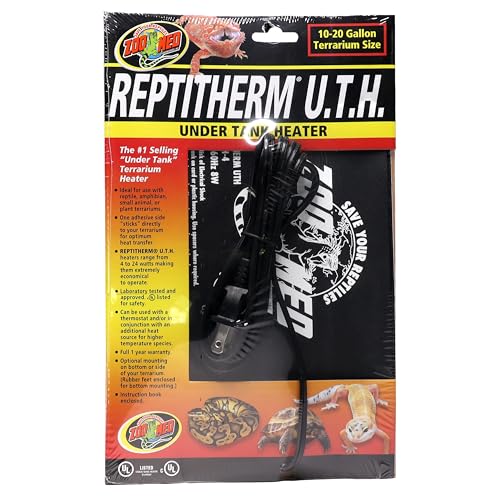
Zoo Med ReptiTherm Under Tank Heater
This under tank heater delivers essential belly heat, critical for the digestive processes of many beginner snake species. It provides a consistent warm spot in the enclosure, promoting healthy thermoregulation.

Accurite Digital Thermometer/Hygrometer
This digital device provides accurate, real-time readings of both temperature and humidity within the snake's enclosure. Its reliability is essential for new keepers to maintain optimal environmental conditions, preventing health issues.
Frequently Asked Questions
For most beginners, the Corn Snake is considered the best first pet snake. They have a docile temperament, are very hardy, have simple care requirements, and readily accept frozen-thawed food. Ball Pythons and Rosy Boas are also excellent choices.
References & Sources
- https://reptifiles.com/snake-care-sheets/
- https://community.morphmarket.com/t/advice-for-beginners-snakes/36667
- https://www.thesprucepets.com/pet-snakes-1237319
- https://www.petmd.com/reptile/popular-pet-snake-species
- https://www.thesprucepets.com/best-pet-reptiles-for-beginners-1237230
- https://www.petmd.com/reptile/slideshows/best-captive-bred-snakes-stay-small
Related Articles

Best Starter Pet Snake: 5 Top Picks for a First-Timer
Looking for the best starter pet snake? Our expert guide ranks the top 5 beginner-friendly snakes on temperament, size, cost, and ease of care. Find your perfect first reptile!

Best Pet Lizard Species: Top Picks for New & Experienced Keepers
Discover the best pet lizard species for your home! Our expert guide covers top choices like leopard geckos and bearded dragons, focusing on care, temperament, and suitability.

Finding Your Perfect Scale-Mate: Best Pet Lizards for Beginners
Discover the best pet lizards for beginners! Our expert guide helps you choose the perfect scaled companion, covering popular species, care tips, and more.