Best Beginner Reptiles: 10 Top Picks for New Owners
Discover the best beginner reptiles for new owners. From leopard geckos to corn snakes, find your perfect first reptile with our expert-ranked guide.


This article contains affiliate links. If you make a purchase through these links, we may earn a small commission at no extra cost to you. See our affiliate disclosure for details.
We recommend 5 picks here. Our top choice is the Zoo Med Repti Therm Under Tank Heater — check price and availability below.
How we choose: we compare published specifications against the care requirements in veterinary and species-care literature, and weigh those against what long-time keepers report. We do not test products ourselves and we do not restate Amazon star ratings. The 6 sources behind this article are listed at the bottom.
Quick Comparison
- Primary Category
- Heating (Under-Tank)
- Essential For (Species/Purpose)
- Ground-dwelling Reptiles (Belly Heat)
- Key Setup/Use Requirement
- Requires External Thermostat
- Approximate Price Range
- $15-30
- Primary Category
- Temperature Control (Thermostat)
- Essential For (Species/Purpose)
- All Heat Sources (Safety & Regulation)
- Key Setup/Use Requirement
- Connects to Heat Source(s)
- Approximate Price Range
- $30-50
- Primary Category
- Lighting (UVB Bulb)
- Essential For (Species/Purpose)
- Bearded Dragons, Skinks, Tortoises (D3/Calcium)
- Key Setup/Use Requirement
- Requires Appropriate Fixture & Replacement
- Approximate Price Range
- $20-40
- Primary Category
- Enclosure (Glass Terrarium)
- Essential For (Species/Purpose)
- Small Geckos, Skinks, Lizards (Habitat)
- Key Setup/Use Requirement
- Standalone, Basic Assembly
- Approximate Price Range
- $80-200
- Primary Category
- Feeding (Complete Diet)
- Essential For (Species/Purpose)
- Crested Geckos, Fruit-eating species (Nutrition)
- Key Setup/Use Requirement
- Mix with Water, Serve Fresh
- Approximate Price Range
- $15-30
Prices are estimates only. Actual prices on Amazon may vary.
Thinking about getting your first reptile? You're in the right place. Reptiles make incredible pets — they're quiet, odorless, and endlessly fascinating to watch. But not every reptile is easy to care for.
Some species need razor-precise humidity, expensive lighting rigs, or live prey that's hard to source. That's not what you want when you're just starting out. You want something forgiving, handleable, and healthy on a reasonable budget.
This guide ranks the 10 best beginner reptiles based on four key factors: hardiness, temperament, care complexity, and cost. Whether you're buying for yourself or a child, there's a perfect match somewhere on this list.
What Makes a Good Beginner Reptile?
Not every reptile belongs in a beginner's home. Here's what separates a great first reptile from a frustrating one:
- Tolerates some temperature variation — Beginners make mistakes. A good starter reptile won't die if temps dip a few degrees overnight.
- Eats reliably — Picky eaters are stressful. Look for species that feed consistently without long hunger strikes.
- Calm temperament — A reptile that bites or constantly tries to escape isn't fun for anyone. Docile species are far easier to bond with.
- Reasonable setup cost — Initial costs add up fast. Some reptiles need expensive UVB systems, misters, or massive enclosures from day one.
- Available vet care — Common species are easier to find exotic vet care for. That matters when something goes wrong.
With those factors in mind, here are our top picks.
What Makes a Good Beginner Reptile?
What you need to know
Tolerates temperature variation — a good starter reptile won't die if temps dip a few degrees overnight
Eats reliably — look for species that feed consistently without long hunger strikes
Calm temperament — docile species are far easier to bond with and safer to handle
Reasonable setup cost — avoid species requiring expensive UVB systems or massive enclosures from day one
Available vet care — common species are easier to find exotic vet care for when problems arise
Top 5 Best Beginner Reptiles
Quick recommendations
Hardy, 7-10 inches, lives 15-20 years, no complex lighting. Eats mealworms and crickets.
Social, expressive, curious personality. Needs UVB, 100-110°F basking, 4-foot enclosure.
Docile, rarely bite, eats frozen mice. Starter setup $150-250, snake $30-80.
Room temperature 68-80°F, no heating needed. Eats commercial powder diet, no live insects.
Calm, rarely bite, frozen/thawed mice every 7-14 days. Setup $200-400, needs 60-80% humidity.
Detailed Reviews
1. Zoo Med Repti Therm Under Tank Heater
Editor's Choice
Zoo Med Repti Therm Under Tank Heater
Pros
- •Provides crucial belly heat for proper digestion in ground-dwelling species.
- •Promotes a natural day/night temperature cycle when paired with ambient heating.
- •Energy-efficient compared to some overhead heat sources.
- •Easy to install under most glass terrariums.
Cons
- •Requires a separate thermostat for safe operation, increasing initial setup complexity.
- •Not suitable as a primary heat source for arboreal species.
- •Does not emit light, necessitating supplemental lighting for viewing.
Bottom Line
This under-tank heater provides essential belly heat for ground-dwelling reptiles, promoting digestion and overall well-being. It requires pairing with a separate thermostat to maintain safe and consistent temperatures, preventing dangerous overheating.
2. Inkbird Reptile Thermostat
Best Overall
Inkbird Reptile Thermostat
Pros
- •Essential safety device for regulating all reptile heating elements.
- •Compatible with under-tank heaters, heat lamps, and ceramic heat emitters.
- •Provides accurate and stable temperature control, preventing overheating or chilling.
- •Affordable solution for reliable, automated temperature management.
Cons
- •Requires careful probe placement for optimal accuracy within the enclosure.
- •May have a slight learning curve for new users when programming specific settings.
- •Not designed for complex proportional integral derivative (PID) control needed for advanced setups.
Bottom Line
This versatile thermostat is an indispensable safety device, precisely regulating temperatures for various reptile heat sources. Its broad compatibility and affordability make it an excellent choice for beginner reptile keepers to prevent dangerous thermal fluctuations.
3. Zoo Med ReptiSun 5.0 UVB Fluorescent Bulb
Premium Pick
Zoo Med ReptiSun 5.0 UVB Fluorescent Bulb
Pros
- •Provides essential UVB spectrum for Vitamin D3 synthesis in diurnal reptiles.
- •Prevents serious health issues such as Metabolic Bone Disease.
- •Available in various lengths to accommodate different enclosure sizes.
- •Long-standing reputation for reliability and effectiveness within the reptile hobby.
Cons
- •Requires periodic replacement (typically every 6-12 months) as UVB output diminishes.
- •Needs an appropriate fluorescent fixture for proper operation.
- •Not necessary for nocturnal or crepuscular species like leopard geckos.
Bottom Line
The ReptiSun 5.0 UVB bulb delivers vital ultraviolet B radiation, crucial for calcium metabolism and preventing metabolic bone disease in sun-loving reptiles. It is a highly trusted and effective lighting solution for species like bearded dragons and Russian tortoises.
4. Exo Terra Glass Natural Terrarium
Best Value
Exo Terra Glass Natural Terrarium
Pros
- •Front-opening doors allow for easy access and cleaning without disturbing the top.
- •Built-in ventilation promotes healthy airflow and prevents stagnant air.
- •Secure cord ports simplify the setup of heating and lighting equipment.
- •Durable glass construction provides clear viewing and helps maintain consistent humidity levels.
Cons
- •Can be heavy and cumbersome to move, especially larger sizes.
- •The initial price point can be higher compared to mesh or plastic alternatives.
- •Specific sizes might not be ideal for very large or highly arboreal species without customization.
Bottom Line
Exo Terra glass terrariums are designed with beginner reptile keepers in mind, featuring convenient front-opening doors and integrated ventilation for easy access and air circulation. Their thoughtful design simplifies daily care tasks and ensures a secure habitat for various small reptile species.
5. Pangea Fruit Mix Crested Gecko Diet
Budget Pick
Pangea Fruit Mix Crested Gecko Diet
Pros
- •Nutritionally complete, eliminating the need for live insect feeders.
- •Easy to prepare by simply mixing with water.
- •Highly palatable, encouraging consistent feeding habits in crested geckos.
- •Trusted by experienced breeders worldwide for crested gecko health and vitality.
Cons
- •Primarily formulated for crested geckos and similar fruit-eating gecko species, not universal.
- •Once mixed, uneaten food should be removed within 24 hours to prevent spoilage.
- •While convenient, the initial cost per bag might be higher than bulk live insects.
Bottom Line
This powdered diet is the industry standard for crested geckos, offering complete nutrition with the simple addition of water. Its ease of preparation eliminates the need for live insects, making feeding straightforward and stress-free for new owners.
The 10 Best Beginner Reptiles
1. Leopard Gecko (Eublepharis macularius)
Leopard geckos are the gold standard for beginner reptiles — and for good reason. They're hardy, slow-moving, and genuinely enjoy human interaction once they're settled in.
They're small (7–10 inches), easy to house, and don't need complex lighting setups. They eat [mealworms and crickets](https://www.amazon.com/dp/B0B1L66YR6?tag=krawlo-20 which you can find at any pet store. They're also nocturnal, so they're most active in the evenings when you're actually home.
One more thing: leopard geckos live 15–20 years with proper care. You're not just getting a pet — you're getting a long-term companion.
Best for: Kids, first-time owners, apartment dwellers
For an even deeper dive into lizard options, check out our ranked guide on Best Pet Lizards for Beginners: 11 Species Ranked.
2. Bearded Dragon (Pogona vitticeps)
Bearded dragons are probably the most popular pet lizard in the world. They earn that reputation. Beardies are social, expressive, and genuinely curious about their owners — they'll wave, head-bob, and sit on your shoulder while you watch TV.
They do need a bit more setup than leopard geckos. You'll need a [UVB bulb](https://www.amazon.com/dp/B0DRXZ1KDC?tag=krawlo-20 a basking spot around 100–110°F, and a 4-foot enclosure for adults. They eat a mix of live insects and leafy greens, which makes diet variety easy to achieve.
The payoff is worth it. Few reptiles match a bearded dragon for personality.
Best for: Owners who want an interactive, expressive lizard
3. Corn Snake (Pantherophis guttatus)
If you want a snake, corn snakes are the easiest place to start. They're docile, slow to bite, and come in dozens of stunning color morphs.
Corn snakes are escape artists, so you'll need a secure lid — but that's about as complicated as their care gets. They need a warm side (85°F) and a cool side (70–75°F). They eat pre-killed or frozen/thawed mice on a simple weekly or biweekly schedule.
(Estimates only — actual prices on Amazon may vary.) A basic [corn snake starter setup](https://www.amazon.com/dp/B0CNVC7X44?tag=krawlo-20 runs about $150–$250 including enclosure, thermostat, and hides. The snake itself is usually $30–$80 from a reputable breeder.
Best for: Snake lovers, allergy sufferers, people with limited space
Want more snake options? See our full ranked list: Best Pet Snakes for Beginners: 10 Top Picks Ranked.
4. Crested Gecko (Correlophus ciliatus)
Crested geckos are almost too easy to care for. They thrive at room temperature (68–80°F), which means you might not need any supplemental heating at all. They eat a commercial powder diet — [Pangea or Repashy](https://www.amazon.com/dp/B0D9915712?tag=krawlo-20 — that you mix with water. No live insects required.
They're also stunning to look at. Soft, velvety skin, giant eyes, and a friendly temperament that improves with regular handling. One note: if stressed, they can drop their tail — and unlike leopard geckos, it won't grow back. Handle them gently and you'll rarely have this problem.
Best for: Beginners who want a low-maintenance, budget-friendly lizard
5. Ball Python (Python regius)
Ball pythons are the world's most popular pet snake. They're stocky, calm, and almost never bite. When they feel threatened, they curl into a tight ball — which is endearing rather than dangerous.
They eat frozen/thawed mice or rats every 7–14 days, making feeding predictable and simple. The trickiest part of ball python care is humidity — they need 60–80%, which requires a quality [reptile thermostat and humidity setup](https://www.amazon.com/dp/B0GZVWZJDY?tag=krawlo-20
(Estimates only — actual prices on Amazon may vary.) A complete ball python setup runs $200–$400. The snake itself is $50–$100 for a common morph from a reputable breeder.
Best for: Beginners who want a larger, more impressive snake
6. Blue Tongue Skink (Tiliqua spp.)
Blue tongue skinks are criminally underrated. They're large (18–24 inches), easy to handle, and have dog-like personalities. Their electric-blue tongues look dramatic, but around humans they're usually relaxed and curious.
They eat an omnivorous diet — vegetables, fruits, protein sources like [high-quality dog food](https://www.amazon.com/dp/B0D8T95JSX?tag=krawlo-20 or cooked chicken. They need UVB lighting, a large enclosure (at least 4 feet), and a basking spot around 95–100°F.
The setup is slightly more involved, but the reward is a lizard with genuine personality.
Best for: Experienced beginners who want a lizard that actually interacts with them
7. Rosy Boa (Lichanura trivirgata)
The rosy boa is one of the most underrated snakes in the hobby. They're small (2–3 feet), calm, and beautifully patterned. Since they come from arid desert environments, they don't need the humidity that trips up so many ball python beginners.
They eat [frozen/thawed pinky or fuzzy mice](https://www.amazon.com/dp/B0CVMFHRZG?tag=krawlo-20 and are usually reliable eaters. They're slow and docile, which makes handling safe and enjoyable.
Best for: Beginners who love snakes but struggle with ball python humidity requirements
8. White's Tree Frog (Litoria caerulea)
Okay — tree frogs are technically amphibians, not reptiles. But they're almost always grouped with beginner reptiles and sold in the same pet stores. White's tree frogs are chunky, comical, and surprisingly tolerant of handling for an amphibian.
They eat [crickets and roaches](https://www.amazon.com/dp/B0C7HHDGPJ?tag=krawlo-20 and need moderate humidity (50–70%). They're nocturnal and entertaining to watch once they're active in the evenings.
Best for: People who want something quirky and different from lizards or snakes
9. Russian Tortoise (Agrionemys horsfieldii)
Tortoises are a serious long-term commitment — Russian tortoises can live 40–50 years. But they're the most beginner-friendly tortoise by far. They're small (6–8 inches), hardy, and eat a diet of leafy greens, grasses, and weeds.
They need UVB lighting, a warm basking spot, and substrate deep enough to burrow in. They can also be kept outdoors during warm months, which is a huge bonus.
Best for: Owners who are fully committed and want a lifelong animal companion
10. Milk Snake (Lampropeltis triangulum)
Milk snakes look exotic — they come in bold red, black, and yellow or white bands — but they're actually easy to keep. They're similar in care to corn snakes: simple temperature gradient, weekly frozen/thawed mouse meals, and a secure enclosure.
They can be a bit more defensive than corn snakes as juveniles, but most calm down with regular gentle handling. Adults reach 3–5 feet, which is a great size for a manageable pet snake.
Best for: Beginners who want a striking, colorful snake without complex care
Side-by-Side Comparison
| Species | Size | Diet | Lifespan | Difficulty | Est. Setup Cost |
|---|---|---|---|---|---|
| Leopard Gecko | 7–10 in | Live insects | 15–20 yrs | Very Easy | $150–$300 |
| Bearded Dragon | 18–24 in | Insects + veggies | 10–15 yrs | Easy | $300–$500 |
| Corn Snake | 3–5 ft | Frozen mice | 15–20 yrs | Very Easy | $150–$250 |
| Crested Gecko | 7–9 in | Powder diet | 15–20 yrs | Very Easy | $100–$250 |
| Ball Python | 3–5 ft | Frozen mice/rats | 20–30 yrs | Easy | $200–$400 |
| Blue Tongue Skink | 18–24 in | Omnivore | 15–20 yrs | Moderate | $300–$500 |
| Rosy Boa | 2–3 ft | Frozen mice | 15–25 yrs | Very Easy | $150–$300 |
| White's Tree Frog | 3–4 in | Live insects | 15–20 yrs | Easy | $150–$250 |
| Russian Tortoise | 6–8 in | Leafy greens | 40–50 yrs | Moderate | $300–$500 |
| Milk Snake | 3–5 ft | Frozen mice | 15–20 yrs | Easy | $150–$250 |
(Estimates only — actual prices on Amazon may vary.)
Essential Gear for Any Beginner Reptile
No matter which species you choose, every reptile needs a few core items.
Enclosure: Size depends on species, but always go bigger than the minimum listed. Most beginners underestimate how fast reptiles outgrow small setups. A 40-gallon tank is a solid starting point for most small lizards and snakes.
Thermostat: This is non-negotiable. A quality [reptile thermostat](https://www.amazon.com/dp/B0BGS517FT?tag=krawlo-20 prevents overheating — one of the most common causes of reptile death. Never run a heat source without one.
Thermometer and hygrometer: You need to monitor both temperature and humidity. A cheap digital combo unit works perfectly. Guessing doesn't.
Hides: Every reptile needs at least two hides — one on the warm side, one on the cool side. Hides reduce stress dramatically. A reptile without hides is a stressed reptile.
UVB Lighting: Not every species needs UVB, but most benefit from it. If your species requires it, don't skip it. Insufficient UVB exposure leads to metabolic bone disease — a painful, preventable condition that shortens lives.
For help picking the right tank and accessories, read our guide on Best Reptile Enclosure for Beginners: Top Picks.
Things to Consider Before You Buy
Budget More Than You Think
The animal is often the cheapest part of reptile ownership. A $40 corn snake needs a $200 setup. Before you commit, budget for: enclosure and lid, heating (mat, lamp, or both), thermostat, UVB lamp if needed, substrate, hides and décor, and your first vet visit.
Yes — plan for a vet visit from day one.
Find a Reptile Vet First
Before bringing any reptile home, find an exotic vet who sees reptiles. Not all vets do. Search for "reptile vet near me" and call ahead to confirm they treat your species. Knowing who to call before an emergency happens will save you a lot of panic later.
Buy From a Reputable Source
Always buy captive-bred reptiles from reputable breeders or established pet stores. Wild-caught animals carry parasites, stress poorly, and often refuse food for months. Local reptile expos are a great place to meet breeders face-to-face and ask questions.
Time Commitment Is Real
Reptiles don't need daily walks, but they do need daily feeding checks, weekly spot cleaning, and monthly deep enclosure cleans. Budget 15–30 minutes per day of active care time, depending on species.
Final Thoughts
The best beginner reptile for you is the one that fits your lifestyle, budget, and level of interest. Want something low-key and hands-off? Go with a crested gecko or corn snake. Want a social, personality-driven lizard? A bearded dragon or leopard gecko is hard to beat.
Whatever you choose, do your homework before you buy — and keep learning after. Reptile husbandry science improves every year. The best reptile owners never stop updating their knowledge, and your animals will thank you for it.
Our Final Verdict
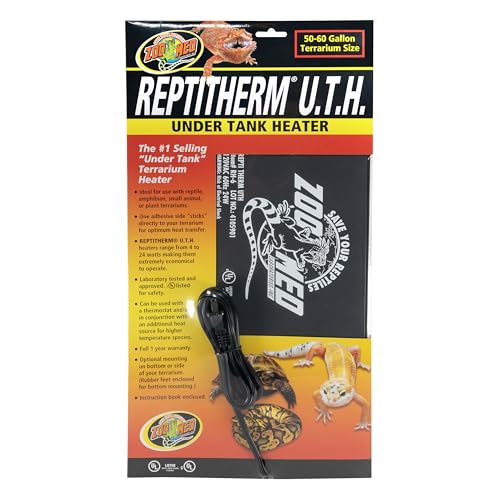
Zoo Med Repti Therm Under Tank Heater
This under-tank heater provides essential belly heat for ground-dwelling reptiles, promoting digestion and overall well-being. It requires pairing with a separate thermostat to maintain safe and consistent temperatures, preventing dangerous overheating.
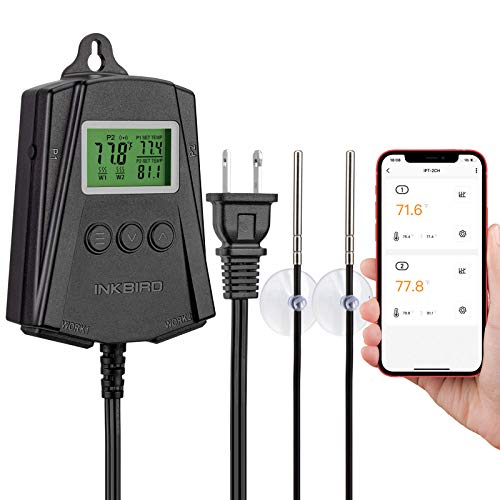
Inkbird Reptile Thermostat
This versatile thermostat is an indispensable safety device, precisely regulating temperatures for various reptile heat sources. Its broad compatibility and affordability make it an excellent choice for beginner reptile keepers to prevent dangerous thermal fluctuations.

Zoo Med ReptiSun 5.0 UVB Fluorescent Bulb
The ReptiSun 5.0 UVB bulb delivers vital ultraviolet B radiation, crucial for calcium metabolism and preventing metabolic bone disease in sun-loving reptiles. It is a highly trusted and effective lighting solution for species like bearded dragons and Russian tortoises.
Frequently Asked Questions
Leopard geckos and corn snakes are consistently ranked as the best reptiles for complete beginners. Both are hardy, calm, and have straightforward care requirements. Crested geckos are another excellent option because they thrive at room temperature and don't require live insects.
References & Sources
- https://reptifiles.com/advice-best-reptiles-for-beginners/
- https://www.zenhabitats.com/blogs/reptile-care-sheets-resources/best-reptiles-for-first-time-keepers-top-5-beginner-reptiles?srsltid=AfmBOopX_WUat9q6wWwIiBoLfmRoKX94_um6CcW90OE5-mHITIYYqPvK
- https://www.thesprucepets.com/best-pet-reptiles-for-beginners-1237230
- https://reptifiles.com/reptile-starter-kits/
- https://www.petmd.com/reptile/care/evr_rp_5-best-reptiles-and-amphibians-kids
- https://www.thesprucepets.com/three-great-geckos-for-beginners-1238772
Related Articles

Best Beginner Chameleon: Top 3 Species Ranked
Looking for the best beginner chameleon? We rank the top 3 species by care difficulty, cost, and temperament so you can choose confidently.

Best Site to Buy Reptiles Online (2026 Guide)
Looking for the best site to buy reptiles online? We reviewed the top stores for health guarantees, species variety, and safe shipping so you can buy with confidence.

Best Reptiles for Kids: A Keeper's 2026 Guide
Searching for the best reptiles for kids? Our expert guide covers the top 5 easiest and friendliest lizards and snakes for young keepers, from leopard geckos to ball pythons.