Best Axolotl Tank: Top Picks for 2026
Find the best axolotl tank for your setup. We cover top tank picks, ideal size, filtration, cooling, substrate, and everything you need to thrive.


This article contains affiliate links. If you make a purchase through these links, we may earn a small commission at no extra cost to you. See our affiliate disclosure for details.
We recommend 12 picks here. Our top choice is the 40-Gallon Breeder Tank — check price and availability below.
How we choose: we compare published specifications against the care requirements in veterinary and species-care literature, and weigh those against what long-time keepers report. We do not test products ourselves and we do not restate Amazon star ratings. The 5 sources behind this article are listed at the bottom.
Quick Comparison
- Tank Volume
- 40 gallons
- Best For Axolotls
- 1–2 axolotls
- Price Range
- $80–$150
- Water Stability
- Excellent
- Key Benefit
- Wide footprint for bottom-dwellers
- Maintenance Level
- Moderate
- Tank Volume
- 20 gallons
- Best For Axolotls
- 1 juvenile
- Price Range
- $
- Water Stability
- Good
- Key Benefit
- Affordable entry
- Maintenance Level
- Moderate
- Tank Volume
- 55–75 gallons
- Best For Axolotls
- 2+ adults
- Price Range
- $$$
- Water Stability
- Excellent
- Key Benefit
- Territory and space
- Maintenance Level
- Moderate
- Tank Volume
- Varies (typically 40 gal)
- Best For Axolotls
- 1–2 axolotls
- Price Range
- $$
- Water Stability
- Good
- Key Benefit
- All-in-one convenience
- Maintenance Level
- Moderate
- Tank Volume
- N/A
- Best For Axolotls
- 40+ gallon tanks
- Price Range
- $$$
- Water Stability
- Excellent
- Key Benefit
- High volume, quiet
- Maintenance Level
- High
- Tank Volume
- N/A
- Best For Axolotls
- Warm climates
- Price Range
- $150–$400+
- Water Stability
- Excellent
- Key Benefit
- Precise year-round control
- Maintenance Level
- Low
- Tank Volume
- N/A
- Best For Axolotls
- Mild climates
- Price Range
- $
- Water Stability
- Fair
- Key Benefit
- 3–5°F reduction
- Maintenance Level
- Low
- Tank Volume
- N/A
- Best For Axolotls
- Low-light setups
- Price Range
- $$
- Water Stability
- N/A
- Key Benefit
- Gentle, low-stress
- Maintenance Level
- Low
- Tank Volume
- Fine particles 1mm or less
- Best For Axolotls
- All tanks
- Price Range
- $
- Water Stability
- N/A
- Key Benefit
- Impaction-safe
- Maintenance Level
- Moderate
- Tank Volume
- Varies by model
- Best For Axolotls
- Stress reduction
- Price Range
- $$
- Water Stability
- N/A
- Key Benefit
- Creates security
- Maintenance Level
- Low
- Tank Volume
- N/A
- Best For Axolotls
- Parameter monitoring
- Price Range
- $$
- Water Stability
- N/A
- Key Benefit
- Accurate testing
- Maintenance Level
- Moderate
- Tank Volume
- N/A
- Best For Axolotls
- Chlorine removal
- Price Range
- $
- Water Stability
- N/A
- Key Benefit
- Removes toxins
- Maintenance Level
- Low
Prices are estimates only. Actual prices on Amazon may vary.
Axolotls aren't your typical aquatic pet. They're permanently aquatic salamanders with feathery external gills, surprisingly strict water requirements, and a need for cool temperatures that catches most new owners off guard. Picking the best axolotl tank isn't just about size — it's about filtration, temperature management, and building an environment where these incredible animals genuinely thrive.
With the right setup, axolotls are long-lived and rewarding pets. They can reach 10–15 years with good husbandry. Get the tank wrong, and you'll spend more time fighting water quality problems than enjoying your axolotl. This guide helps you get it right from day one.
How Big Does an Axolotl Tank Need to Be?
Size is where most first-time axolotl keepers go wrong. These animals grow up to 12 inches long and produce significant waste. A tank that's too small leads to rapid ammonia spikes and chronic stress.
Here's the minimum you should aim for:
| Axolotl Count | Minimum Tank Size |
|---|---|
| 1 axolotl | 20 gallons long |
| 2 axolotls | 40 gallons |
| 3 axolotls | 55–75 gallons |
A 20-gallon long is the floor for one adult axolotl. But honestly, a 40-gallon gives you much more buffer for water stability. More water volume means slower ammonia buildup, smaller temperature swings, and a healthier animal overall.
Always choose a long tank style over a tall one. Axolotls are bottom-dwellers. They need floor space to roam, not vertical height.
Axolotl Tank Size Requirements
1 Axolotl
20 gallons long
Minimum viable
2 Axolotls
40 gallons
Much more stable
3 Axolotls
55–75 gallons
Reduces competition
Top Axolotl Tank Picks
Quick recommendations
Wide, low footprint with stable temps for 1–2 axolotls
Room for territory, enrichment, easier water maintenance
Temperature Control Essentials
Ideal Range
60–68°F (16–20°C)
Danger Zone
Above 72°F (22°C)
Heat stress & death
Most Reliable
Aquarium chiller
$150–400
Budget Solution
Cooling fan
Drops 3–5°F
Detailed Reviews
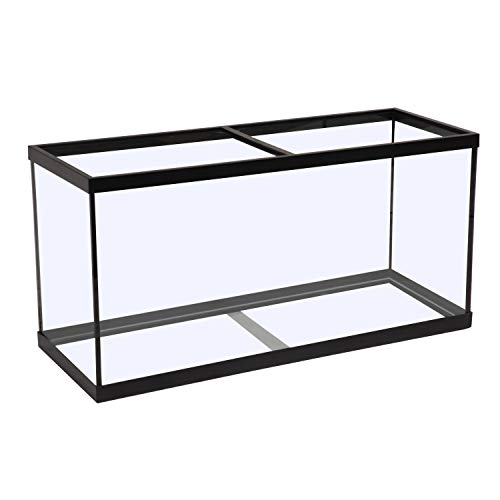
1. 40-Gallon Breeder Tank
Best Overall
40-Gallon Breeder Tank
Pros
- •Wider, lower footprint ideal for axolotls
- •Extra water volume keeps temperatures stable
- •Space for hide, plants, and canister filter
- •Good buffer for water quality
Cons
- •Higher price than 20-gallon option
Bottom Line
The gold standard for one to two axolotls. Features a wider, lower footprint perfect for bottom-dwelling species with excellent water stability and ample space for filtration and décor.
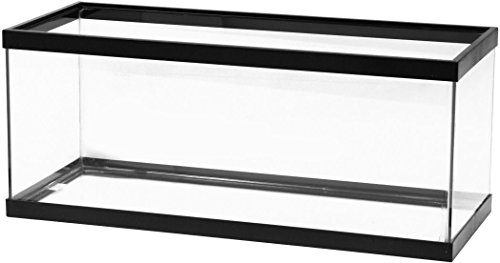
2. 20-Gallon Long Tank
Budget Pick
20-Gallon Long Tank
Pros
- •Affordable entry point
- •Widely available
- •Establishes nitrogen cycle effectively
- •Good for single juvenile
Cons
- •Minimum size only—upgrade needed for second axolotl
- •Less water volume buffer
- •Limited space for décor and filtration
Bottom Line
The minimum viable setup for a single juvenile axolotl. Affordable and widely available with enough volume to establish a healthy nitrogen cycle, but may require upgrading if you plan to add more axolotls.
3. 55–75 Gallon Tank
Best for Multiple Axolotls
55–75 Gallon Tank
Pros
- •Each axolotl has territory
- •Reduced feeding competition
- •Easier water quality maintenance
- •Flexibility with plants and hides
Cons
- •Takes up substantial space
- •Significantly more expensive
- •Requires stronger filtration
Bottom Line
Recommended for two or more adult axolotls. Provides ample territory, reduces feeding competition, and makes water quality significantly easier to maintain with flexibility for décor and enrichment.
4. All-in-One Aquarium Starter Set
Best for Beginners
All-in-One Aquarium Starter Set
Pros
- •Bundled and discounted
- •Everything included to start
- •Convenient for beginners
- •No separate purchasing needed
Cons
- •Included filter usually pushes too much current
- •May need spray bar or sponge pre-filter modification
- •Filter quality may not be ideal
Bottom Line
Complete plug-and-play setup bundling tank, lid, light, and filter at a discount. Often includes hang-on-back filters that require outflow modifications to reduce current for axolotls.
5. Canister Filter for Aquariums
Premium Pick
Canister Filter for Aquariums
Pros
- •High volume, quiet operation
- •Efficient mechanical and biological filtration
- •Outflow easily redirected to reduce surface current
- •Best for 40+ gallon setups
Cons
- •Expensive initial investment
- •Requires more maintenance setup
Bottom Line
The top-tier choice for axolotl tanks. Moves high water volumes quietly and efficiently with adjustable outflow using spray bars or lily pipes to minimize stressful currents.
6. Aquarium Chiller
Premium Pick
Aquarium Chiller
Pros
- •Maintains precise temperature
- •Year-round reliability
- •No guesswork
- •Essential in warm climates
Cons
- •Significant investment
- •Higher electricity usage
- •Requires setup space
Bottom Line
The most reliable temperature control solution. Maintains precise water temperature year-round without guesswork, essential for warm climates where heat stress is a constant risk.
7. Aquarium Cooling Fan
Budget Pick
Aquarium Cooling Fan
Pros
- •Budget-friendly
- •Easy to install
- •Effective 3–5°F reduction
- •Works for mild climates
Cons
- •Limited cooling capacity
- •Less reliable than chillers
- •Ineffective in hot climates
Bottom Line
Budget-friendly temperature control alternative that clips onto the tank rim and reduces temperature 3–5°F through air circulation and evaporation. Works well in mild climates.
8. Low-Wattage LED Aquarium Light
Best Value
Low-Wattage LED Aquarium Light
Pros
- •Reduces light stress
- •Supports live plant growth
- •Low wattage and energy efficient
- •Timer keeps consistent schedule
Cons
- •Must avoid bright whites or high UV
- •Risk of light being too bright for sensitive axolotls
Bottom Line
Low-intensity lighting on a timer prevents stress from bright light while still allowing live plant growth. 10–12 hours on, 12–14 hours off daily cycle mimics natural conditions.
9. Fine Aquarium Sand
Best Overall
Fine Aquarium Sand
Pros
- •Safest substrate option
- •Prevents impaction hazard
- •Natural appearance
- •Particles pass through harmlessly
Cons
- •Requires more frequent cleaning
- •Can create dust if not rinsed thoroughly
Bottom Line
The safest substrate choice with 1mm or smaller particles that pass harmlessly through the axolotl's digestive system if accidentally ingested. Eliminates impaction risk from gravel.
10. Aquarium Cave and Tunnel Hides
Runner Up
Aquarium Cave and Tunnel Hides
Pros
- •Replicates natural cave habitat
- •Provides security and stress reduction
- •Smooth edges available
- •Various styles
Cons
- •Must inspect for sharp edges
- •Small openings risk trapping juveniles
- •Can harbor excess waste
Bottom Line
Commercial hide options that replicate the cave-dwelling natural habitat of axolotls. Must have smooth edges to avoid cutting sensitive gills and openings large enough to prevent axolotls getting stuck.
11. Liquid Aquarium Test Kit
Best Overall
Liquid Aquarium Test Kit
Pros
- •Much more accurate than strips
- •Tests multiple parameters
- •Worth the extra cost
- •Essential for monitoring
Cons
- •Requires more time to use
- •Need to replace reagents periodically
Bottom Line
Essential for monitoring water parameters. Liquid kits are significantly more accurate than test strips for detecting ammonia, nitrite, nitrate, and pH—critical for axolotl health.
12. Water Conditioner (Seachem Prime)
Best Overall
Water Conditioner (Seachem Prime)
Pros
- •Removes chlorine and chloramine
- •Inexpensive
- •Small doses effective
- •Long shelf life
Cons
- •Must use on every water change
- •Overdosing not harmful but wasteful
Bottom Line
Essential water treatment that dechlorinates and dechloramines tap water before adding to the tank. Chlorine and chloramine are toxic to axolotls and must always be removed.
What to Look for in the Best Axolotl Tank
Not every aquarium is a good fit for axolotls. Here are the features that matter most:
Water Volume and Footprint
Bigger tanks buffer temperature changes and dilute waste faster. Axolotls are messy eaters — extra water volume is your safety net between water changes.
Filtration Compatibility
Axolotls need strong filtration, but they hate strong currents. High flow rates stress them and can physically damage their delicate external gills over time. Look for tanks compatible with canister filters (which let you control outflow direction) or sponge filters.
Build Quality
You want thick, quality glass or acrylic that won't bow or leak. Budget tanks sometimes develop issues under the weight of 40+ gallons. Silicone-sealed corners and a solid frame are worth paying extra for.
Lid Design
Axolotls can and do jump when startled or stressed. A secure, well-fitting lid is essential. Mesh lids work great — they also allow airflow, which helps keep temperatures down.
Best Axolotl Tank Options
(Estimates only — actual prices on Amazon may vary.)
Best Overall: 40-Gallon Breeder Tank
A [40-gallon breeder aquarium](https://www.amazon.com/dp/B08BJB7FX4?tag=krawlo-20 is the gold standard for one to two axolotls. Breeder tanks have a wider, lower footprint than standard aquariums — perfect for bottom-dwelling species like axolotls.
The extra water volume keeps temperatures stable and gives you breathing room between water changes. You'll have space for a proper hide, live plants, and a canister filter without anything feeling cramped. Quality 40-gallon breeders typically run $80–$150 online.
Budget Pick: 20-Gallon Long Tank
Starting with a single juvenile axolotl? A [20-gallon long aquarium](https://www.amazon.com/dp/B0002AS21W?tag=krawlo-20 is the minimum viable setup. It's affordable, widely available, and gives you enough water volume to establish a healthy nitrogen cycle.
Just be honest with yourself upfront: if you think you might add a second axolotl later, skip this size and start with 40 gallons. Tank upgrades cost more than buying bigger from day one.
Best for 2+ Axolotls: 55–75 Gallon Tank
Two adults really need more space than a 40-gallon provides comfortably. A [55-gallon aquarium](https://www.amazon.com/dp/B09WYXZ61D?tag=krawlo-20 or [75-gallon tank](https://www.amazon.com/dp/B08BJB7FX4?tag=krawlo-20 gives each axolotl room to establish territory, reduces competition at feeding time, and makes water quality much easier to maintain.
Larger tanks also give you flexibility with décor — more hides, more plants, more enrichment options.
Best Beginner Kit: All-in-One Aquarium Starter Set
Want a plug-and-play setup? Complete [aquarium starter kits](https://www.amazon.com/dp/B09WYXZ61D?tag=krawlo-20 often bundle a tank, lid, light, and filter together — usually at a discount compared to buying separately.
Just verify the included filter is adjustable or low-flow. Most kits include hang-on-back filters that push too much current for axolotls. You may need to add a spray bar or sponge pre-filter to diffuse the outflow.
Filtration: The Most Critical Part of Your Setup
Good filtration is non-negotiable. Axolotls produce a lot of waste, and ammonia spikes are one of the leading causes of death in captive axolotls. At the same time, they need calm water — strong currents are a serious stressor.
Best Filter Types for Axolotl Tanks
Canister filters are the top pick for axolotls. They move high volumes of water quietly and efficiently, and you can attach a spray bar or lily pipe to the outflow to reduce surface current to nearly nothing. A quality [canister filter for aquariums](https://www.amazon.com/dp/B0DCJ59TDZ?tag=krawlo-20 is ideal for any 40-gallon or larger setup.
Sponge filters are a solid budget alternative. They create gentle, low-flow filtration and are cheap to maintain. For larger tanks, run two sponge filters side by side to keep up with waste load.
Hang-on-back filters can work if you reduce the flow rate and direct the outflow against the glass to diffuse it. They're not ideal straight out of the box, but they're manageable with adjustments.
Whatever filter you choose, cycle your tank for 4–6 weeks before adding any axolotl. The nitrogen cycle needs to fully establish first. For a full breakdown of axolotl husbandry, check out our Axolotl Pet Care Guide: Tank Setup, Feeding & Health Tips.
Temperature: The Biggest Challenge for Axolotl Keepers
Here's the thing most first-time axolotl owners don't see coming: axolotls need cold water. The ideal range is 60–68°F (16–20°C). Prolonged temperatures above 72°F (22°C) cause heat stress, immune suppression, appetite loss, and eventually death.
This is the single biggest cause of axolotl death in captivity, especially during warm months. You need a temperature control plan before you bring your axolotl home.
How to Keep the Tank Cool
(Estimates only — actual prices on Amazon may vary.)
Aquarium chillers are the most reliable solution. A [water chiller for aquariums](https://www.amazon.com/dp/B0F83J7J9J?tag=krawlo-20 maintains precise temperature year-round with no guesswork. They're a significant investment — often $150–$400+ depending on tank size — but worth every dollar if you live somewhere with hot summers.
Cooling fans are the budget alternative. Aquarium cooling fans clip onto the tank rim and blow air across the water surface, dropping temperature through evaporation. They can reduce temps by 3–5°F, which is enough in mild climates.
Room air conditioning is another valid strategy. Keep the room consistently at or below 68°F and the tank temperature will follow.
What you should never do: add a heater to an axolotl tank. Axolotls don't need supplemental heat. If your home is cold, room temperature is almost certainly fine.
| Cooling Method | Cost | Reliability | Best For |
|---|---|---|---|
| Aquarium chiller | $$$ | Excellent | Warm climates, serious keepers |
| Cooling fan | $ | Good | Mild climates, budget setups |
| Room AC | Varies | Good | Rooms with AC control |
| Frozen water bottles | Free | Temporary | Emergency heat waves |
Lighting: Keep It Low and Dim
Axolotls are naturally cave-dwelling animals from the lakes of central Mexico. Their eyes are sensitive, and they have no eyelids. Bright, intense light causes chronic stress.
You don't need a fancy light. A [low-wattage LED aquarium light](https://www.amazon.com/dp/B0GF7MBVNP?tag=krawlo-20 on a timer — 10–12 hours on, 12–14 hours off — is all you need. Avoid intense whites or high UV outputs.
If your axolotl constantly hides and refuses to come out during light hours, your light is probably too bright. Add more hides or switch to a dimmer setting.
Live plants are a great addition to axolotl tanks and thrive under lower-intensity lighting. Good low-light choices include java fern, anubias, and java moss. All can be tied to rocks or driftwood without needing to root in substrate.
Substrate: Sand Is the Safest Choice
Axolotls eat by vacuuming prey into their mouths. They'll inhale anything small enough to fit — including substrate. Gravel is a serious impaction hazard and has caused many preventable deaths.
Fine aquarium sand is the safest option. Use [fine-grain aquarium sand](https://www.amazon.com/dp/B094QH3SRR?tag=krawlo-20 with particles no larger than 1mm. Any sand accidentally ingested passes through harmlessly.
Bare-bottom tanks are another practical option, especially for new keepers. They're the easiest to clean and eliminate impaction risk entirely. The downside: axolotls can struggle to grip smooth glass, which causes some stress during movement.
Avoid gravel, crushed coral, and decorative pebbles entirely. No matter how pretty they look, they're not worth the risk.
Hides and Decorations: Making Your Axolotl Feel Safe
Axolotls feel most secure when they have places to retreat. In the wild, they live under rocks and dense vegetation. Replicate that sense of cover in your tank.
Good hide options include:
- [Aquarium cave and tunnel hides](https://www.amazon.com/dp/B08CVF3JQR?tag=krawlo-20
- Smooth PVC pipes (cut to size, sand any rough edges)
- Terra cotta pots laid on their sides
- Smooth river rocks arranged to create caves
Always check that hides have smooth edges. Sharp corners can cut axolotl gills, which are extremely sensitive. Also avoid decorations with small openings that a juvenile axolotl could get stuck in.
Live plants do double duty: they absorb nitrates (improving water quality) and provide natural cover. Java fern and anubias are nearly indestructible and look great in axolotl tanks.
Water Quality: The Foundation of Axolotl Health
Axolotls are highly sensitive to water chemistry. Setting up the right tank matters — but so does maintaining it consistently.
Target these water parameters:
| Parameter | Ideal Range |
|---|---|
| Temperature | 60–68°F (16–20°C) |
| pH | 7.0–8.0 |
| Ammonia | 0 ppm |
| Nitrite | 0 ppm |
| Nitrate | <20 ppm |
| Hardness (GH) | 7–14 dGH |
Test your water weekly with a [liquid aquarium test kit](https://www.amazon.com/dp/B000255NCI?tag=krawlo-20 Test strips are inaccurate — invest in a liquid kit. It's worth the extra cost.
Do 20–25% water changes every week. Always dechlorinate tap water before adding it to the tank using a [water conditioner like Seachem Prime](https://www.amazon.com/dp/B00025694O?tag=krawlo-20 Chlorine and chloramine are toxic to axolotls.
For guidance on what to check before purchasing your first axolotl, our Axolotl for Sale: Where to Buy + What to Know Before You Get One article walks through setup readiness and sourcing from reputable breeders.
Tank Setup: Step-by-Step
Here's the sequence for setting up a new axolotl tank from scratch:
- Rinse the tank — use plain water only, no soap or bleach
- Add substrate — 1–2 inches of fine sand
- Add décor and hides — caves, plants, and any decorations
- Fill with dechlorinated water — temperature close to target range
- Start the filter and begin cycling — run for 4–6 weeks before adding your axolotl
- Test parameters daily during cycling — wait for ammonia and nitrite to hit 0 ppm
- Acclimate your axolotl — float the bag 30–60 minutes to equalize temperature before releasing
Don't rush the cycling step. An uncycled tank will spike ammonia within 24–48 hours of adding an axolotl, and that's a life-threatening situation.
Maintenance Schedule
Consistent maintenance prevents most axolotl health problems. Keep to this schedule:
| Frequency | Task |
|---|---|
| Daily | Check temperature, watch behavior and gill condition |
| Weekly | 20–25% water change, test ammonia/nitrite/nitrate |
| Monthly | Rinse filter media in old tank water (never tap water) |
| After feeding | Remove uneaten food within 2–3 hours |
Stick to this schedule and you'll avoid the most common issues. Most axolotl illnesses trace directly back to water quality neglect.
Our Final Verdict
40-Gallon Breeder Tank
The gold standard for one to two axolotls. Features a wider, lower footprint perfect for bottom-dwelling species with excellent water stability and ample space for filtration and décor.
20-Gallon Long Tank
The minimum viable setup for a single juvenile axolotl. Affordable and widely available with enough volume to establish a healthy nitrogen cycle, but may require upgrading if you plan to add more axolotls.

55–75 Gallon Tank
Recommended for two or more adult axolotls. Provides ample territory, reduces feeding competition, and makes water quality significantly easier to maintain with flexibility for décor and enrichment.
Frequently Asked Questions
The leading cause of axolotl death in captivity is poor water quality — specifically ammonia spikes from an uncycled or understocked tank. The second most common cause is overheating. Axolotls need water between 60–68°F (16–20°C). Temperatures above 72°F (22°C) for extended periods cause fatal heat stress. Always cycle your tank fully before adding an axolotl and have a cooling strategy in place.
References & Sources
- https://www.thesprucepets.com/axolotls-as-pets-1236714
- https://www.thesprucepets.com/water-for-axolotls-1238302
- https://www.thesprucepets.com/tanks-for-pet-salamanders-and-newts-1236718
- https://www.petmd.com/reptile/species/axolotl-ambystoma-mexicanum
- https://www.thesprucepets.com/best-filters-for-axolotl-7971537
Related Articles

Best Axolotl Decor: 5 Safe and Stimulating Tank Ideas
Looking for the best axolotl decor? Our expert guide covers safe substrates, essential hides, and plants to create a thriving and enriching habitat for your pet.

Best Axolotl Heating? Why Cooling Is Actually Key
Searching for the best axolotl heating solution? You might be surprised to learn these amphibians need cooling, not heat. Our guide covers the ideal temperature and the best methods to keep your axolotl safe and healthy.

Best Axolotl Lighting: What Actually Works (2026)
Axolotls need low, indirect lighting to thrive. Learn which lights work best, how long to run them, and what to avoid in your axolotl tank setup.